The day your child ages out of the school system can feel like stepping off a cliff. For years, an Individualized Education Program (IEP) has structured your child’s days, surrounded them with trained staff, and guaranteed services under federal law. Then, at age 21 or 22, that structure ends. What comes next is not automatic, and it is not guaranteed. Understanding the transition from school to adult day programs early gives your family the best chance of landing somewhere truly wonderful, somewhere your loved one can keep growing, stay connected, and build a life that matters.
What Is the “Disability Cliff” and Why Does It Matter?
The term “disability cliff” refers to the sudden loss of services that many young adults with disabilities face after leaving the public school system. Under the Individuals with Disabilities Education Act (IDEA), students with disabilities are entitled to a free and appropriate public education until age 21. Afterward, there is no guaranteed program waiting for them. Families describe navigating the adult services system as complex, with multiple agencies, waitlists, and funding gaps that may take years to navigate.
The risks are significant. Without structured programming, young adults with disabilities may lose the skills, routines, and social connections developed in school. Beginning transition planning early, ideally between ages 14 and 16, is the most effective way to avoid service gaps. The right adult day program can bridge this gap and offer new opportunities for independence, friendship, and purpose.
What Are Adult Day Programs?
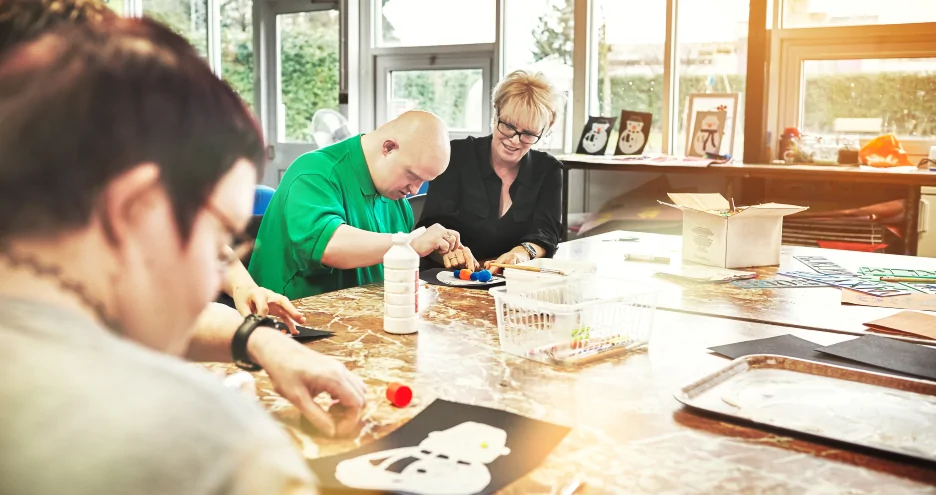
Adult day programs, also known as day habilitation programs, are community-based services designed to support adults with disabilities after they leave the school system. These programs usually operate on weekdays for five to six hours a day and focus on building independence, life skills, and community connections. Depending on the state, they may also be called adult day services, day support programs, or day activity centers.
Activities in adult day programs commonly include:
- Daily living skills such as cooking, money management, personal hygiene, and communication
- Vocational training and job readiness skills for those working toward employment goals
- Community outings, including volunteer opportunities, recreational activities, and local excursions
- Social and recreational activities to support peer relationships and emotional well-being
- Health and wellness programs, including physical fitness, nutrition education, and therapy services
- Person-centered goal setting, where each participant works toward individually tailored outcomes
The most effective programs offer more than a daily schedule. They foster a sense of belonging, recognize each participant as an individual, and provide meaningful opportunities to contribute to their community.
Understanding the IEP Transition Plan
Transition planning should begin well before graduation. Under IDEA, schools must include transition planning in a student’s IEP by age 16, with some states starting as early as age 14. The transition IEP outlines postsecondary goals in three key areas: education and training, employment, and independent living.
As a parent, your role in the transition IEP process is critical. Key steps to take include:
- Attend every transition IEP meeting and bring questions about post-school options specific to your child’s goals.
- Invite outside agencies, such as your state’s vocational rehabilitation office or developmental disability agency, to IEP meetings before your child exits school.
- Request transition assessments that evaluate your child’s strengths, interests, and areas of need to inform realistic post-school planning
- Document everything, including goals, timelines, agreed-upon services, and the names of responsible parties.
- Ask your school’s transition coordinator for a list of adult day programs, day habilitation providers, and other post-school resources in your area.
- Visit programs before graduation so a placement is ready and waiting when your child needs it most.
The IEP team, which includes you, your child, school staff, and invited agency representatives, creates this plan together. Your child’s voice and preferences should be central to every decision made.
Questions to Ask When Evaluating an Adult Day Program
Choosing the right adult day program for your loved one is one of the most important decisions you will make during this transition. Visiting multiple programs, bringing another parent or advocate, and asking detailed questions will help you make a confident choice. Key questions to ask include:
- What does a typical day look like, and what activities are offered?
- Is programming tailored to each person’s goals and preferences?
- What is the staff-to-participant ratio, and what training do direct care staff receive?
- How does the program support individuals with my child’s specific disability or communication needs?
- Is the facility and all transportation fully accessible for mobility or other physical needs?
- Does the program offer transportation services, and what does that look like?
- How does the program communicate with families, and how involved can parents be?
- Is there a current waitlist, and how long is the typical wait for enrollment?
- How are behavioral challenges or medical emergencies handled?
- Does the program use a person-centered planning approach?
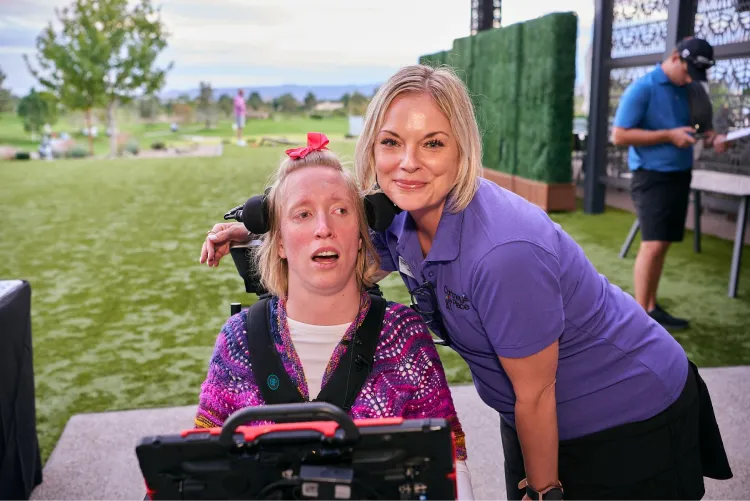
When you walk through the door of the right program, you will feel it. Look for a space where participants are engaged, staff are present and warm, and the environment feels alive with activity and genuine care. That is exactly the standard Cortney’s Place holds itself to every single day.
Conclusion: The Right Program Changes Everything
The conclusion of school-based services does not end growth, connection, or opportunity for your child. The right adult day program offers more than a schedule; it creates a community where your loved one is supported and encouraged to thrive. Planning ahead, asking informed questions, and choosing a program that centers your child are essential steps. Your insight is invaluable—use it to begin planning today.
Cortney’s Place: A Community Built for This Moment
At Cortney’s Place, we understand how overwhelming this transition can be because we have experienced it ourselves. Founded by a family who recognized the challenges of leaving school and finding true belonging, Cortney’s Place is a nonprofit adult day program dedicated to ensuring every adult with an Intellectual or Developmental Disability has a full, meaningful life connected to the community.
Our inclusive, stimulating, and community-based program provides adults with IDD the structure, support, and social connections needed to thrive after school. We are more than a program; we are a community where your loved one is known, valued, and celebrated for who they are.