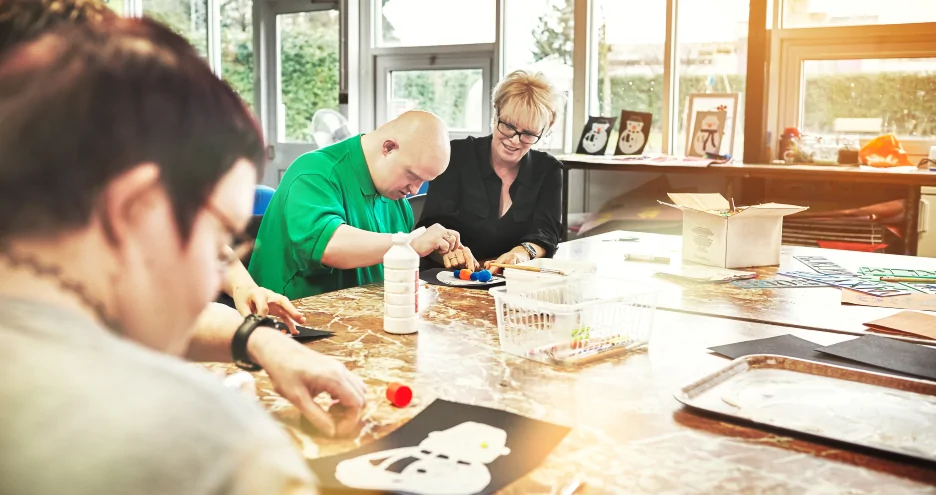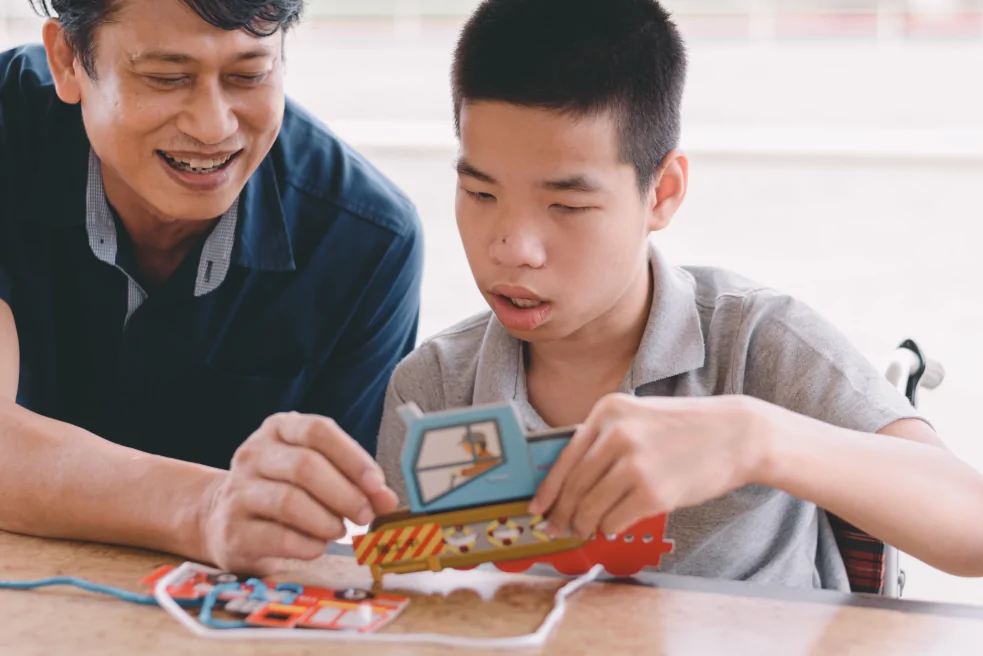

Creating inclusive program ideas for adults with IDD (Intellectual and Developmental Disabilities) helps build independence, social connections, skills, and well-being. These programs do more than just allow participation; they focus on accessibility, dignity, and real involvement in community life. If you are a service provider, nonprofit, community center, or caregiver, creating structured and inclusive experiences can make a big difference in the lives of adults with disabilities.
This guide shares practical, community-based inclusive program ideas for adults with IDD that support independence, social inclusion, skill-building, and active participation in daily life.
What Are Inclusive Programs for Adults with IDD?
Inclusive programs are planned activities that welcome people with different cognitive, physical, and social abilities. They focus on making sure everyone can take part equally. These programs prioritize:
Accessibility
This accessibility means programs, spaces, and materials are set up so adults with IDD can participate without hindrance. This covers things like physical access, clear ways to communicate, sensory supports, and tools that match different ability levels.
Person-Centered Planning
This planning puts each person’s goals, preferences, strengths, and support needs first, instead of using the same approach for everyone. It helps adults with IDD make real choices about their activities, services, and future.
Skill Development
The skill development programs help people build practical, social, and job skills that support independence. These learning opportunities boost confidence, self-reliance, and long-term success at work and in the community.
Social Inclusion
The social inclusion means adults with IDD take part in activities with people of all abilities. Inclusive settings help reduce isolation, build friendships, and encourage understanding in the wider community.
Community Integration
The community integration helps adults with IDD take part in everyday community life, like work, recreation, learning, and civic activities. It goes beyond separate services and encourages full inclusion in regular social and economic life.
Why Inclusive Programs Matter
Adults with IDD frequently encounter difficulties finding jobs, joining activities, learning, and making social connections. Inclusive programs can help by:
Encourages independence and life skills development
These programs give adults with IDD chances to practice daily living, decision-making, and problem-solving skills. Taking part regularly helps build confidence, independence, and long-term self-reliance.
Improves mental health and emotional well-being
Engagement in meaningful activities helps reduce isolation and gives a sense of purpose. Positive social experiences and achievements can boost self-esteem and emotional well-being.
Expands social networks
Inclusive settings help adults with IDD make friends with peers, mentors, and others in the community. Strong social ties help people feel they belong and lower the risk of feeling isolated.
Builds vocational readiness
Skill-based programs teach workplace habits, communication, and how to manage tasks. These experiences help adults with IDD get ready for jobs and improve their chances of finding work.
Strengthens community awareness and acceptance
The programs bring together people with and without disabilities, helping everyone understand and respect each other. Over time, this helps reduce stigma and encourages the whole community to be more accepting.
Inclusive Program Ideas for Adults with IDD
1. Life Skills Development Programs
Life skills programs are important for adults with IDD because they support independence and daily living. These programs can be adjusted for different abilities, learning styles, and support needs. By focusing on real-life situations, participants gain confidence and skills for long-term independence.
Daily Living Skills Workshops
The daily living skills workshops offer practical, hands-on lessons to help adults with IDD become more independent in daily routines. These workshops may cover:
• Cooking and meal preparation
• Personal hygiene routines
• Household management
• Laundry and cleaning skills
With guided practice and repetition, participants become more confident and improve important self-care and home management skills.
Financial Literacy Classes
This classes teach budgeting, saving, and basic banking so participants can manage money well. Lessons often use visual aids, simple worksheets, and interactive activities for different learning styles. Practicing real-life situations helps participants understand and use these skills.
Public Transportation Training
These helps adults with IDD become more independent by teaching them how to use buses, trains, and ride-shares safely. Programs might include practice trips with supervision, learning how to plan routes, and safety tips. These skills make it easier to get to jobs, social events, and community resources.
2. Employment and Vocational Training Programs
The employment and job-training programs are among the best ways to include adults with developmental disabilities. Having a job helps people become financially independent, feel more confident, and be part of the community. With the right support, adults with IDD can learn both job skills and how to work well with others.
Supported Employment Programs
The programs work with local businesses to offer job opportunities that include guidance and needed accommodations. Participants get one-on-one help from job coaches with starting the job, learning tasks, and communicating at work. This support helps people keep their jobs and fit in at the workplace.
Job Readiness Workshops
This help adults with IDD prepare for work by teaching essential skills before they start a job. Topics may include:
• Resume building
• Interview skills
• Workplace communication
• Time management
Learning these soft skills helps adults with IDD act professionally, adapt to changes, and build lasting careers.
Entrepreneurial Skill Programs
The entrepreneurial skill programs give adults with IDD the chance to start small businesses that match their interests and strengths. Some people do well in small business settings like:
• Craft sales
• Baking businesses
• Gardening services
• Digital art or design
Running a small business helps adults with IDD become more independent, creative, and confident. It also teaches money skills and gives a sense of achievement.
3. Social and Recreational Activities
Social and recreational activities are important for helping adults with IDD feel included and connected. These programs help people make friends, learn social skills, and feel less alone. Taking part in group activities helps everyone feel they belong and are part of the community.
Inclusive Sports Leagues
The inclusive sports leagues offer athletic activities that are adapted for different physical and cognitive abilities. Examples of adaptive sports include:
• Basketball
• Bowling
• Swimming
• Soccer
Taking part in these sports improves physical health, coordination, and stamina. It also helps build teamwork, good sportsmanship, and self-confidence.
Art and Creative Expression Classes
The Art and creative classes give adults with IDD ways to express themselves and discover new interests. These programs may include:
• Painting
• Music therapy
• Drama groups
• Dance classes
Creative activities help adults with IDD express their feelings, build confidence, and improve both speaking and nonverbal communication skills.
Community Outings
Organized community outings give adults with IDD real-life experiences that support social interaction and independence. Group trips may include visits to:
• Museums
• Parks
• Restaurants
• Sporting events
These shared outings help adults with IDD become part of the community, make social connections, and practice life skills in real settings.
4. Health and Wellness Programs
Health-focused inclusive program ideas for adults with IDD support physical well-being, emotional health, and quality of life through accessible and adapted activities. Health and wellness programs are now seen as key parts of support for adults with intellectual disabilities. These programs help improve physical health, emotional well-being, and long-term quality of life. Taking steps to stay healthy can also prevent chronic illnesses and build good habits for life.
Fitness and Movement Classes
It offer safe, adapted exercises for adults with different ability levels. Classes can include:
• Yoga
• Chair aerobics
• Strength training
• Walking groups
Regular exercise helps the heart, boosts flexibility and balance, and supports mental health. It also increases confidence and energy.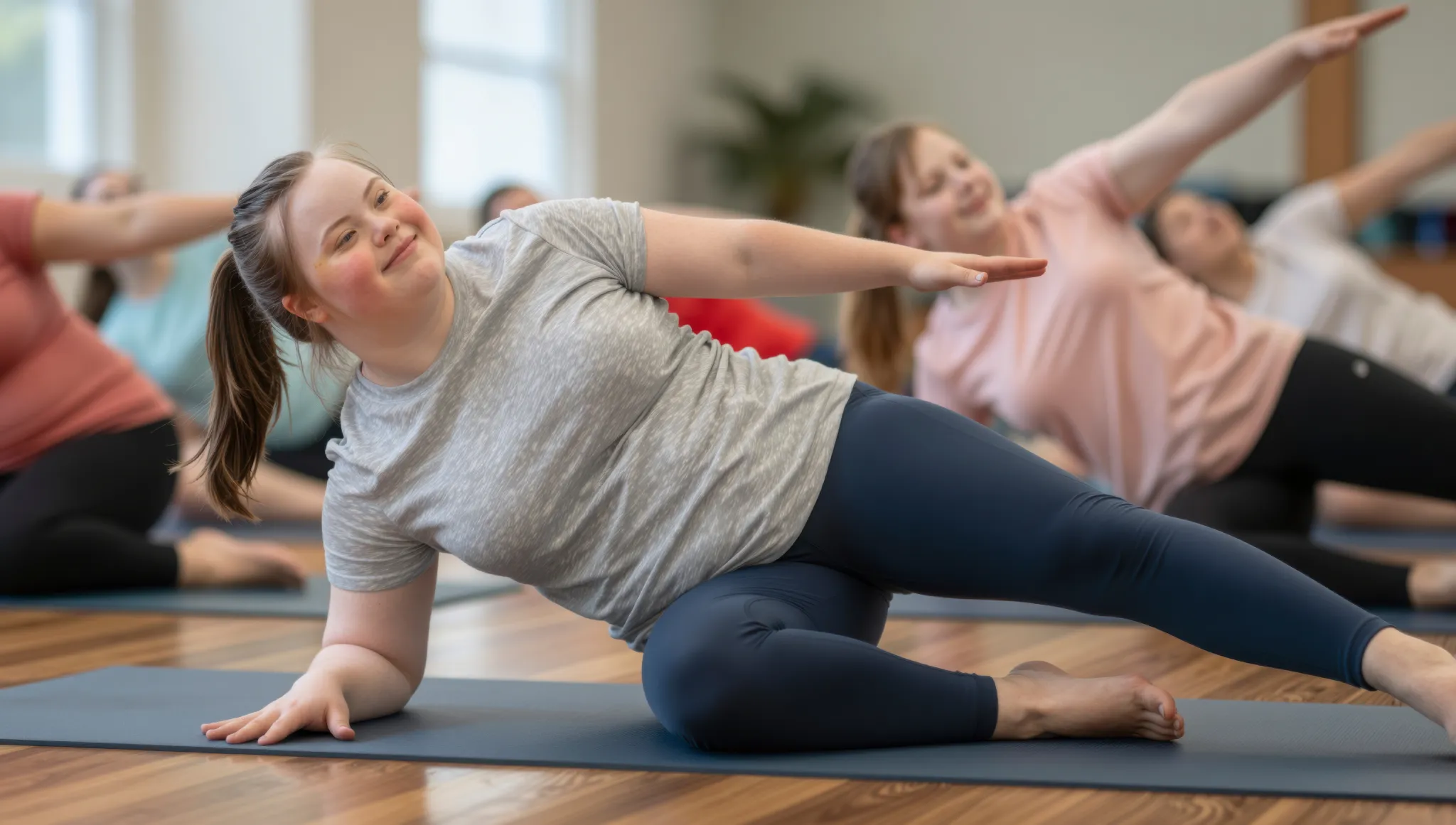
Nutrition Education Programs
This education programs teach adults with IDD how to make healthy food choices and plan balanced meals. Workshops may include help with grocery shopping, portion control, and easy cooking lessons. Learning about nutrition supports a healthier lifestyle and more independence.
Mental Health Support Groups
This support groups give adults with IDD a safe place to build emotional strength and social skills. Peer groups help people:
• Share experiences
• Develop coping strategies
• Reduce feelings of isolation
Since mental health services are not used enough in the IDD community, having easy-to-access group support can make a big difference in emotional well-being.
5. Continuing Education and Skill-Building Opportunities
Continuing education gives adults with IDD chances to keep learning and growing in their thinking, social life, and work skills. Learning should continue after school programs, since building skills is important at every age. Ongoing education helps boost confidence, independence, and lifelong involvement.
Adult Education Courses
These courses help adults with IDD strengthen basic academic and communication skills for daily life and getting ready for work. Topics may include:
• Computer literacy
• Basic academic skills
• Communication development
• Reading and writing enhancement
Digital skills are especially important today, since many jobs need basic technology know-how.
Technology Training Programs
It teaches practical digital skills needed for modern communication and independence. Participants can learn:
• Smartphone use
• Internet safety
• Email communication
• Social media basics
Having access to technology helps adults with IDD become more independent, connect with others, and find more job opportunities.
6. Volunteer and Community Service Programs
Volunteer and community service programs give adults with IDD meaningful ways to help their communities. These activities build responsibility, teamwork, and real-world skills. Volunteering also gives a sense of purpose and helps people feel involved in their community.
Examples include:
• Animal shelter support
• Food bank assistance
• Community clean-up initiatives
• Senior center visits
Taking part in service activities helps adults with IDD build stronger community relationships, gain confidence, and improve social skills.
7. Peer Mentorship and Self-Advocacy Programs
Peer mentorship and self-advocacy programs help adults with IDD take charge of their lives and get involved in their communities. Learning to speak up for themselves builds confidence and independence. These programs focus on developing leadership, not just providing support.
Self-Advocacy Training
Self-advocacy training teaches adults with IDD how to share their needs, know their rights, and make well-informed choices. Programs may teach:
• Rights education
• Decision-making skills
• Communication techniques
• Leadership development
Learning these skills helps adults with IDD become more independent and confident in making their own choices.
Peer Mentorship Programs
Peer mentorship programs match experienced adults with IDD with those who are learning new skills or going through changes. Mentors help others with:
• Workplace adjustment
• Social navigation
• Independent living
Peer mentorship helps adults with IDD feel empowered, develop leadership skills, and create a supportive community.
8. Inclusive Faith-Based and Cultural Programs
Inclusive faith-based and cultural programs offer welcoming spaces where adults with IDD can take part in spiritual and cultural activities. Faith groups and cultural organizations help people feel they belong and support diversity. Planning for accessibility makes sure everyone can join in fully.
Ideas include:
• Accessible worship services
• Inclusive holiday celebrations
• Cultural arts workshops
Making programs accessible supports diversity, helps people understand one another, and builds a stronger sense of community.
Best Practices for Designing Inclusive Programs
For long-term success, organizations should use structured, participant-focused strategies. Good program design balances accessibility, personal support, and staff development. The best practices below help create sustainable, impactful, inclusive programs for adults with IDD.
Person-Centered Planning
Person-centered planning ensures that programs align with each person’s goals, interests, strengths, and support needs. Instead of using the same plan for everyone, services are tailored to help people be independent and involved. This approach boosts motivation, participation, and long-term success.
The Accessibility and Universal Design
The design make sure programs work for people with all kinds of abilities from the start. Consider:
• Physical accessibility
• Visual supports
• Clear communication
• Sensory accommodations
Taking care of these details in advance removes barriers and helps everyone take part fully.
Staff Training
Having well-trained staff is key to providing high-quality, inclusive services. Staff should be trained in:
• Positive behavior supports
• Trauma-informed care
• Disability awareness
• Communication strategies
Ongoing staff training makes programs more effective and leads to better results for participants.
Family and Caregiver Collaboration
Involving families and caregivers helps keep program activities and home life consistent. Working together supports shared goals, clear communication, and coordinated support. Strong partnerships help adults with IDD keep their skills and make progress over time.