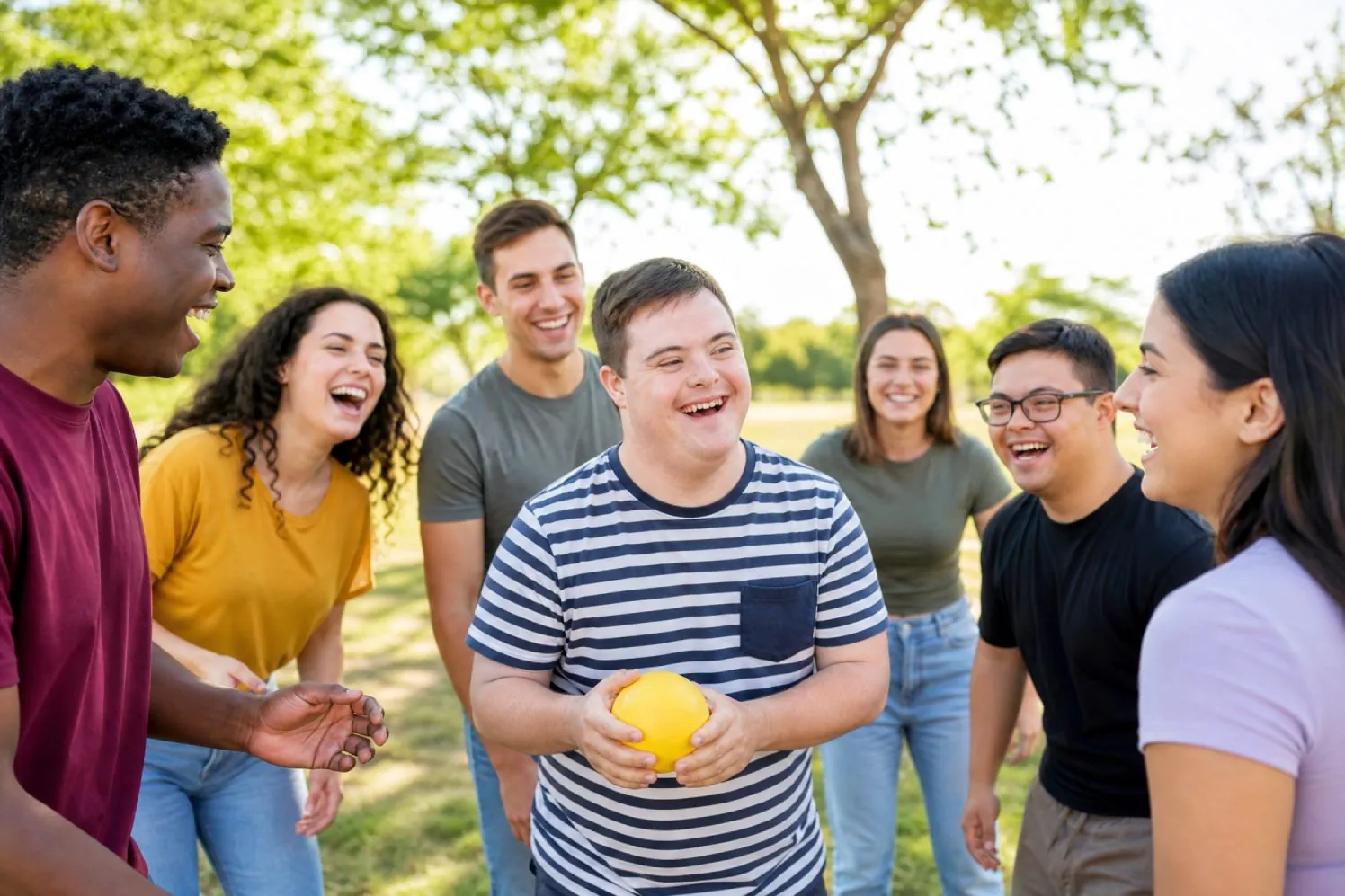
Peer connection for persons with IDD matters because friendships with peers provide understanding, belonging, and emotional support that family and staff relationships cannot fully replace. People who share similar experiences often connect in ways that feel easier and more natural. This guide explains why peer connection for persons with IDD is so valuable, how friendships form, and what families should look for in a program.
How Does Peer Connection for Persons with IDD Support Well-being?
Peer connection for persons with IDD offers a kind of understanding that is hard to find elsewhere. A friend who lives with a similar disability rarely needs things explained, which makes it easier to relax and be themselves. That sense of being understood is the foundation of belonging.
Peer connection supports well-being in several practical ways:
- Emotional support: Friends who understand your experience reduce the feeling of facing it alone. They offer comfort without needing an explanation, which makes it easier to share good days and hard ones. Over time, that steady support helps lower isolation.
- Belonging: Being part of a group gives a person an identity beyond family and care roles. They become a friend, a teammate, or a regular in a shared activity. Being known in that way builds confidence.
- Motivation and joy: Shared activities give people something to look forward to each day. Knowing a friend will be there makes it easier to join in and try new things. That anticipation supports a more active, positive routine.
- Life satisfaction: Lasting friendships contribute to quality of life over the long term. They provide companionship that continues through changing programs, routines, and life stages. Many people value these relationships as much as any other goal.
How Do Friendships Form for Persons with IDD?
Peer connection for persons with IDD turns into friendship through repeated, comfortable contact over time, not through a single event. People need regular chances to be around the same peers, share activities, and discover common interests. Without that consistency, even good connections can fade before they develop.
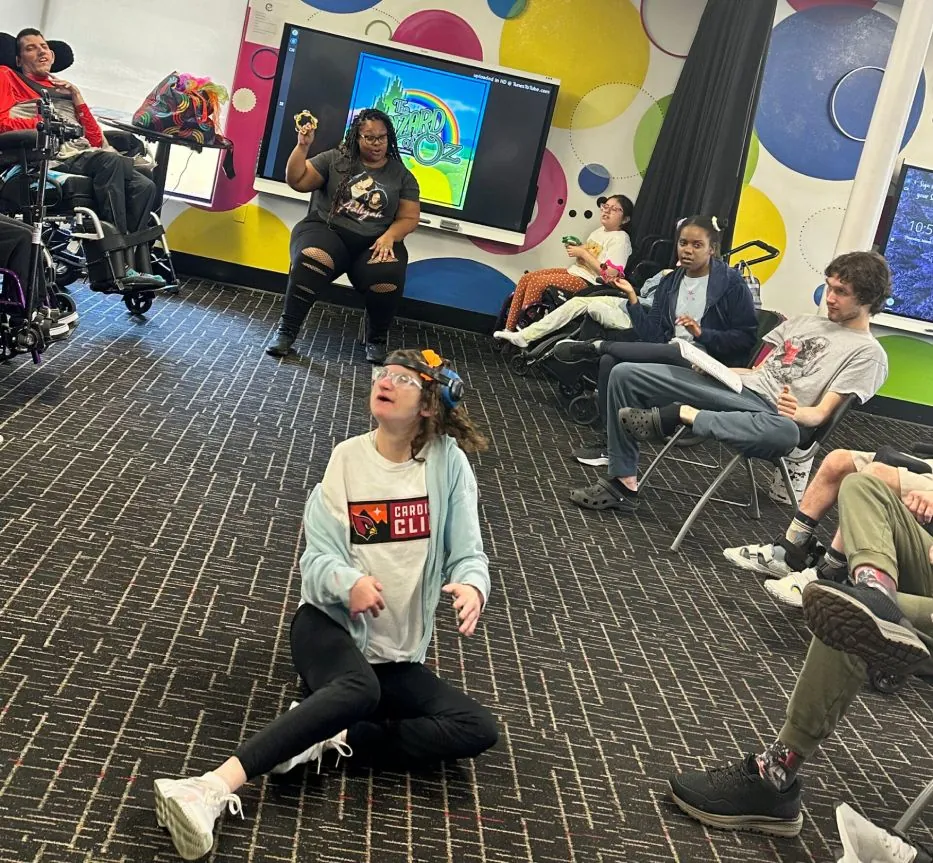
Structured social opportunities provide this consistency. Regular group activities, classes, and outings give participants a predictable setting and a shared experience to talk about. Music therapy is one example, since group music promotes socialization and communication while keeping the focus on enjoyment.
Staff can also help friendships begin. Thoughtful introductions between participants with shared interests or complementary personalities open the door, and then the friendship grows on its own. Forced pairing rarely works, so the best approach nurtures connection rather than manufacturing it.
How Can Programs Respect Different Comfort Levels?
People build friendships at different speeds, and a good program respects that. Some participants join groups quickly, while others prefer to observe first or connect one on one. Pressure to socialize in a particular way can backfire, so patience and choice matter.
Programs can support different comfort levels in simple ways:
- Small groups and larger activities: Offering both lets people choose the setting that feels comfortable. Some people connect best one on one, while others enjoy the energy of a larger group. Choice reduces pressure and makes participation more likely.
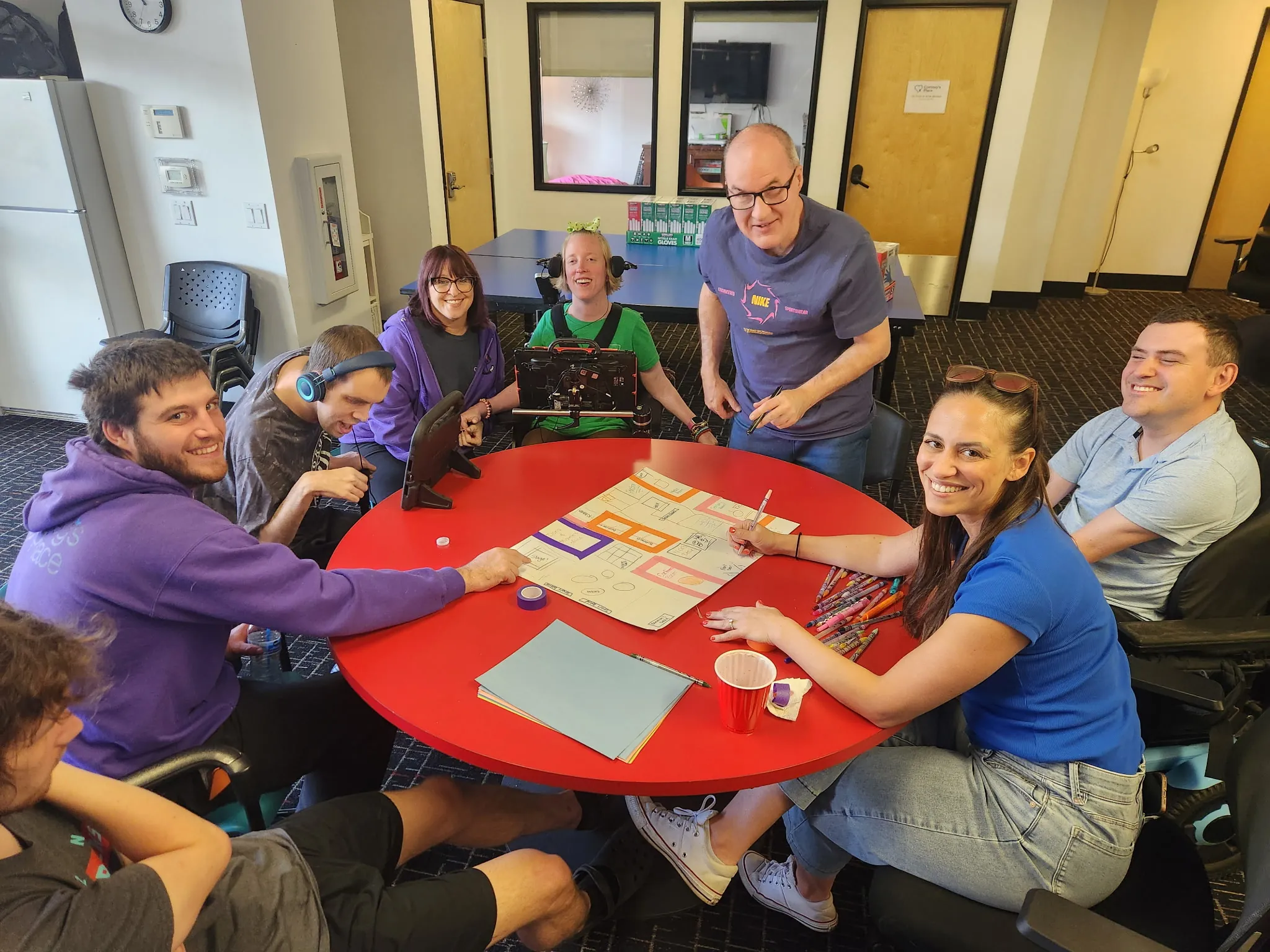
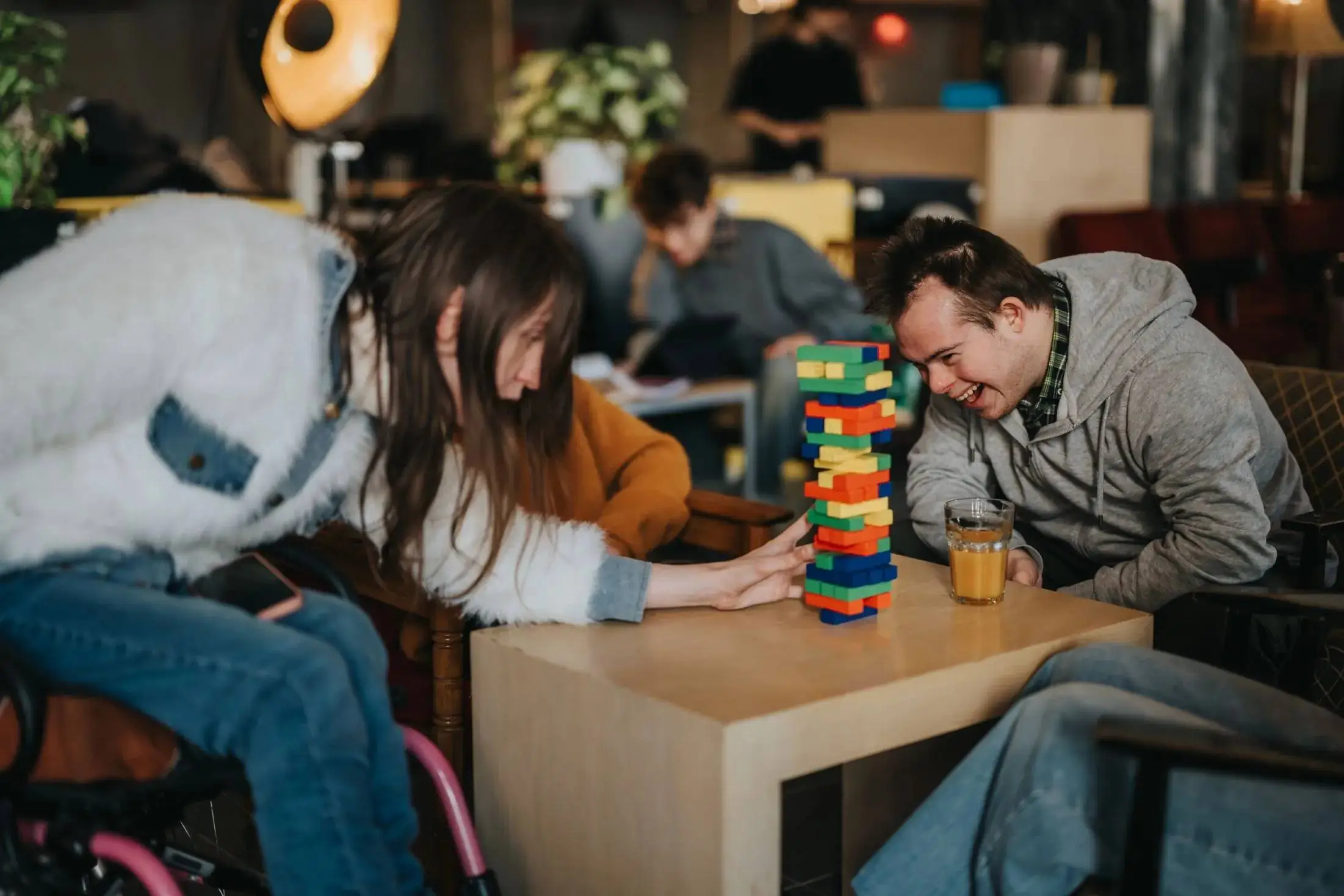
- Parallel activities: Working side by side on an art project or game builds familiarity without requiring conversation. Shared focus gives people something to do together while they get comfortable. Conversation often follows naturally once trust develops.
- Communication support: Visual aids, adaptive equipment, and staff assistance help everyone take part at their own ability level. These tools remove barriers that could keep a person on the sidelines. When people can participate fully, friendships have more room to form.
Connection also looks different from person to person. Comfortable companionship, shared quiet time, and familiar routines count as real friendship, even when they are less visible than conversation.
What Role Do Staff Play in Building Friendships?
Staff act as quiet facilitators rather than directors. They notice which participants enjoy each other’s company, create chances for them to spend time together, and celebrate the friendships that emerge. Treating friendship as a real goal, with the same care as any other, sends a clear message that these relationships matter.
Some friendships extend beyond the program. Families may arrange visits or gatherings, and friends may look forward to seeing each other outside program hours. These extensions show how deep peer connections can become.
The social skills built in a supportive group can also carry over to other settings. Taking turns, starting a conversation, and joining an activity are skills people can use at home, in the community, and in future relationships.
What Should Families Look for in a Social Program?
Families can look for signs that a program takes peer connection for persons with IDD seriously. Consider asking about:
- Regular group activities: Classes, therapies, and outings that bring the same peers together give friendships repeated chances to grow. Familiar faces make each session more comfortable.
- Choice and flexibility: Options for different comfort levels and communication styles show that the program adapts to people, not the other way around. Flexibility lets quieter participants connect at their own pace.
- Staff involvement: Ask how staff introduce participants and support new friendships. Staff who notice shared interests and create chances to connect can start friendships that would not form on their own.
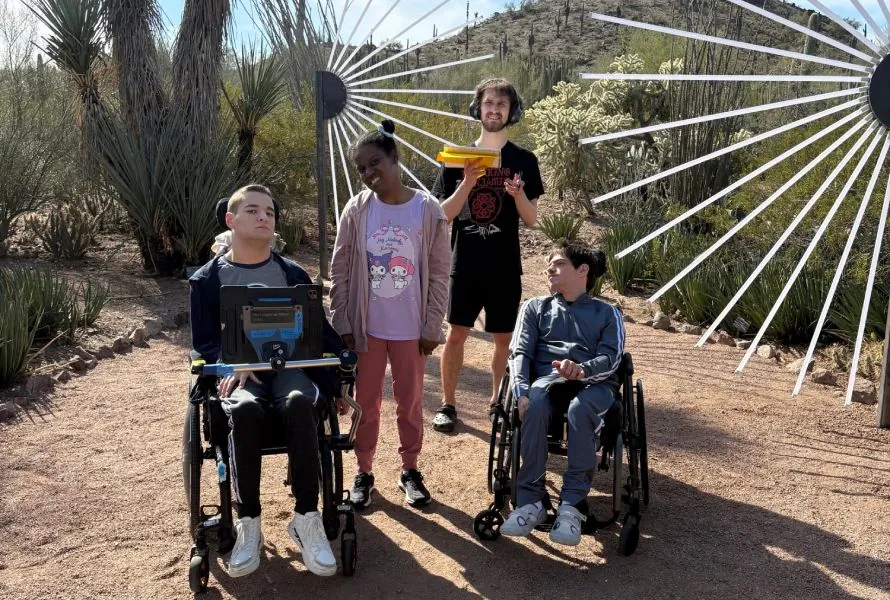
- Community outings: Trips to places like parks, libraries, and museums let people build social ties outside the program. They also give participants a chance to practice social skills in real settings and feel included in the wider community
- Family connection: A welcoming program keeps families informed and involved. Open communication helps families support friendships outside program hours, such as arranging visits.
Cortney’s Place, a nonprofit day program serving Phoenix and Scottsdale, builds peer connection for persons with IDD into daily classes, music therapy, and community outings. Visiting a program and watching how participants interact is one of the best ways to judge whether it is a good fit.