
Programs for persons with intellectual disabilities support emotional wellbeing best when they combine predictable structure, trusting relationships, safe ways to express feelings, and a real sense of belonging. Persons with intellectual and developmental disabilities (IDD) experience the full range of human emotion, so emotional health deserves the same attention as skills and daily activities. This guide explains how structured programming supports emotional wellbeing and what families can look for.
Why Should Programs for Persons with Intellectual Disabilities Address Emotional Wellbeing?
Programs for persons with intellectual disabilities that address emotional wellbeing affect every part of daily life, including how a person learns, connects with others, and handles change. Persons with IDD feel joy, worry, frustration, and sadness like anyone else, though they may express those feelings differently or need more support to name them. A program that focuses only on tasks can miss what a participant is actually experiencing.
Attending to emotional wellbeing supports three things:
- Stability: people who feel secure are better able to try new activities and handle surprises
- Growth: confidence and comfort expressing feelings are real progress, not extras
- Respect for the whole person: observing behavior alone overlooks the feelings behind it
When emotional needs are met, other goals such as skill building and community participation tend to go more smoothly.
See the Whole Person
Emotional health shapes learning, relationships, and daily life. It deserves the same attention as skills.
How Does Structure and Predictability Support Emotional Wellbeing?
Programs for persons with intellectual disabilities use consistent routines to reduce anxiety because people know what to expect. When the day follows a familiar pattern, there is less uncertainty to manage, which leaves more energy for participation. For many persons with IDD, unexpected change can be stressful, so predictability acts as a source of security.
Programs build this stability in practical ways:
- A consistent daily schedule: a familiar order of activities helps each day feel safe
- Visual schedules: pictures or written plans show what comes next
- Advance notice of changes: warning someone about a change gives time to prepare
- Clear expectations: simple, consistent routines for arrival, activities, and transitions
Structure is not the same as rigidity. Good programs keep a reliable framework while leaving room for choice, so participants feel secure without feeling controlled.
Predictable Feels Safe
Routines, visual schedules, and advance notice reduce anxiety. Structure with room for choice works best.
How Can Programs Create Safe Space for Emotional Expression?
Emotional expression needs both opportunity and acceptance. People share feelings more readily when they trust that staff will respond with patience instead of correction. A program that values compliance over expression can teach participants to hide what they feel.
Programs can open more channels for expression:
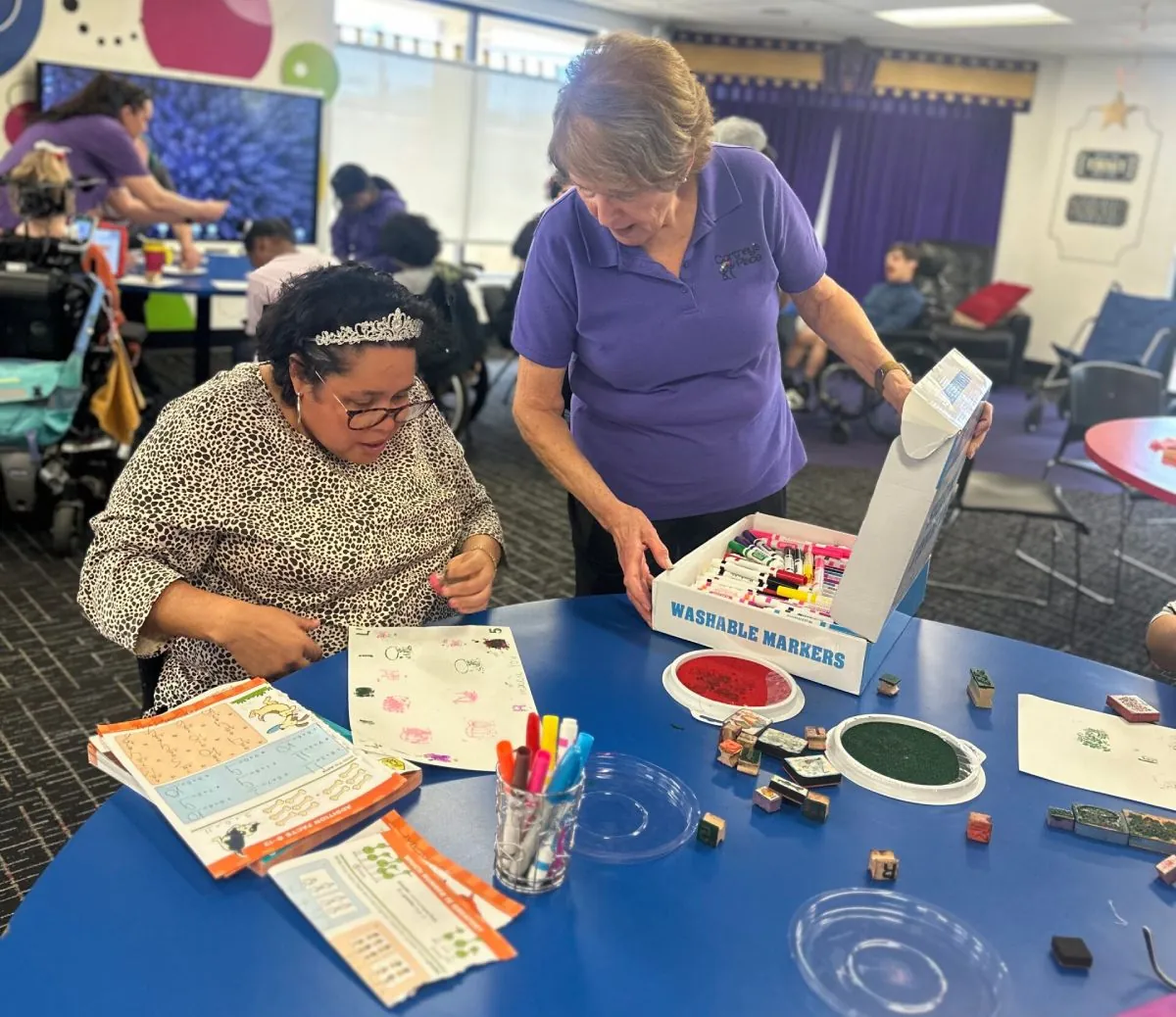
- Creative activities: art and music give people ways to express feelings without needing words
- Regular check-ins: short, predictable moments with staff make sharing feelings a normal part of the day
- Communication supports: picture cards, simple scales, or gestures help people who find words difficult
Music therapy is a useful example, since group music promotes socialization and communication while keeping the focus on enjoyment.
Many Ways to Say How You Feel
Art, music, check-ins, and visual tools give feelings a voice. Acceptance makes people willing to use them.
How Do Staff Recognize Signs of Emotional Distress?
Staff recognize distress by knowing each person’s usual patterns and noticing changes. Behavior is often a form of communication, especially for people who have limited speech, so a change may signal an unmet need or a feeling the person cannot put into words. Knowing someone well makes these changes easier to read.
Common signs of distress include:
- Withdrawal: pulling away from friends or activities they usually enjoy
- Changes in routine behavior: unusual irritability, restlessness, or repetitive behaviors
- Changes in eating or sleep: reported by families or noticed during the day
- Increased reliance on reassurance: seeking staff or familiar objects more than usual
Distress can also come from physical discomfort, pain, or illness, so staff and families should consider health causes as well as emotional ones.
Behavior Is Communication
Changes in behavior often signal an unmet need. Knowing a person well makes distress easier to spot.
How Do Staff Support Emotional Regulation?
Emotional regulation support relies on calm, patient responses that help a person settle. A staff member who stays calm gives the person something steady to lean on, which is often more effective than correcting or raising their voice. The aim is to help the person return to comfort, not to punish the behavior.
A typical approach includes:
- Stay calm and use a quiet voice: a steady tone helps the person feel safe
- Offer simple choices: choices restore a sense of control
- Allow space or a break: a quiet area can help someone reset
- Use clear, short language and visual supports: fewer words are easier to process when upset
- Follow up afterward: talk through what happened and what helped
Training matters here, since regulation support takes skill and patience. Programs for persons with intellectual disabilities that revisit their training and learn from experience tend to respond more effectively over time.
Calm Is Contagious
A steady, patient response helps a person settle. Choices, breaks, and simple language make it easier.
How Do Sensory Needs Affect Emotional Wellbeing?
Sensory sensitivities can strongly affect comfort and mood. Loud noise, bright lights, crowding, or certain textures can overwhelm some participants, and that overload often shows up as distress or withdrawal. A program that considers sensory needs prevents some of that distress before it starts.
Programs can support sensory comfort through:
- Quiet spaces: a calm area where a person can step away and recover
- Flexible environments: adjustable lighting, noise levels, and seating where possible
- Sensory breaks: planned pauses during busy parts of the day
- Activity planning: pacing activities so no one is overstimulated
Sensory comfort is part of emotional wellbeing, not a separate topic.
Comfort Starts With the Senses
Noise, light, and crowding can overwhelm. Quiet spaces and flexible settings prevent distress.
How Do Programs for Persons with Intellectual Disabilities Support Belonging?
Belonging reduces isolation, and isolation can weigh heavily on emotional health. Being part of a group, with friends and a role in shared activities, gives a person a sense of being valued. Persons who feel they belong often show more confidence and resilience.
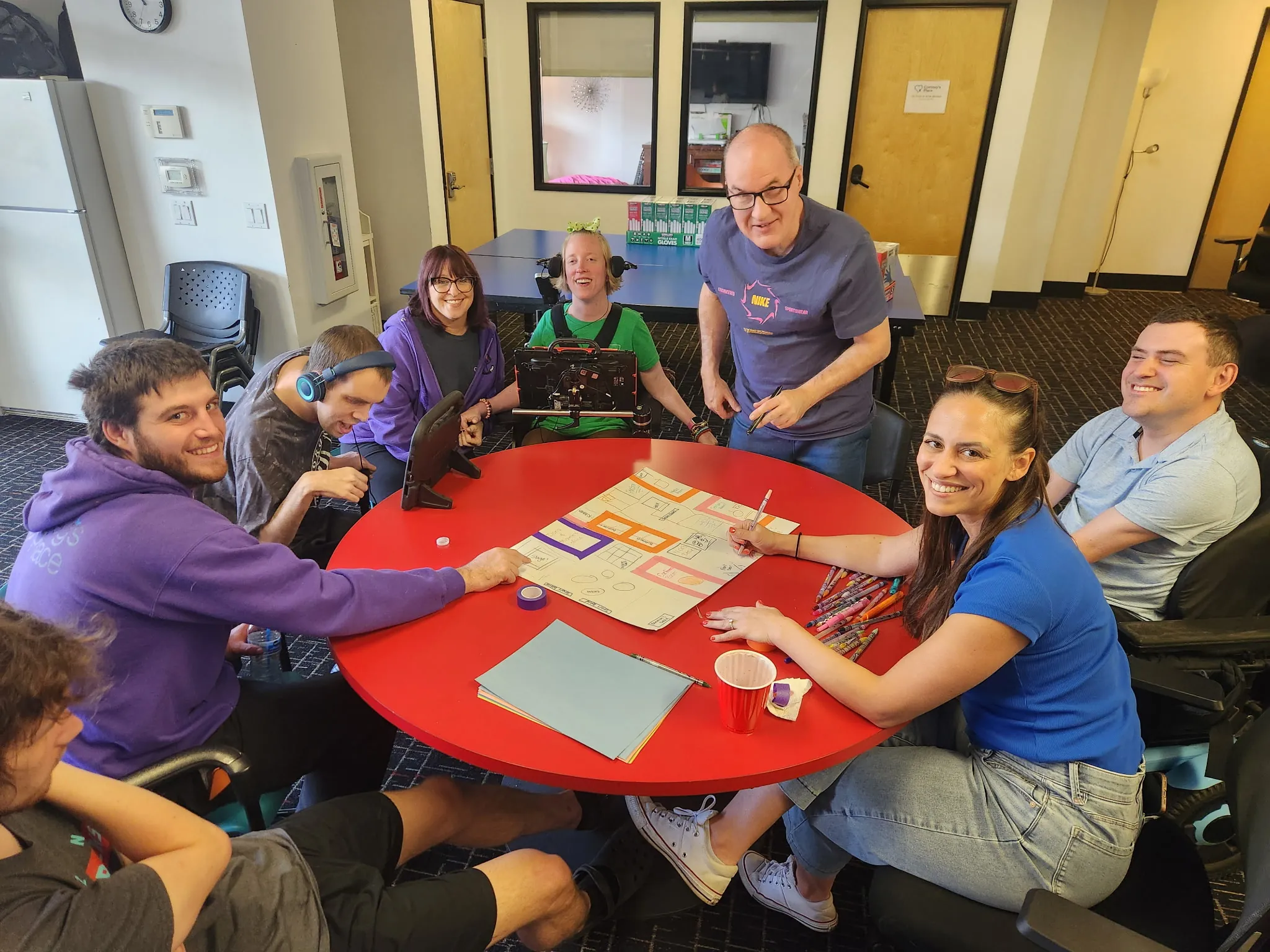
Programs for persons with intellectual disabilities build belonging through regular group activities, outings, and opportunities for friendships to develop. Cortney’s Place, a nonprofit day program serving Phoenix and Scottsdale, builds social connection into daily classes, music therapy, and community outings. Peer friendships, in particular, offer a kind of understanding that family and staff relationships cannot fully replace.
Belonging Builds Resilience
Friends and shared activities reduce isolation. A sense of being valued supports emotional health.
How Can Families and Programs Partner on Emotional Support?
Families and programs for persons with intellectual disabilities see a person in different settings, so sharing observations gives a fuller picture. Consistent support at home and in the program helps a person feel secure everywhere. Strong partnerships rely on open, regular communication.
Families and staff can partner by:
- Sharing observations: a poor night’s sleep, a worry, or a recent change helps staff respond with context
- Agreeing on strategies: using the same calming approaches at home and in the program
- Celebrating emotional growth: noticing progress like greater comfort expressing feelings
- Supporting each other: supporting a participant sometimes means supporting the family as well
Two Views, One Picture
Families and staff each see part of the story. Sharing observations leads to better support.
How Do Programs for Persons with Intellectual Disabilities Support Life Changes?
Major changes such as a move, a loss, or a change in family routine can affect emotional wellbeing significantly. These periods often call for extra patience, more check-ins, and closer communication with families. Predictable routines at the program can become an anchor when other parts of life feel uncertain.
Support during these times works best when staff know each person well and families keep the program informed. Gradual preparation, familiar people, and steady routines help people adjust. Persistent distress should be shared with the person’s health care provider.
Steady Through Change
Extra check-ins and familiar routines help during hard times. Share changes so support can adjust.
Frequently Asked Questions
Does a structured program mean everything is rigid?
No. Good structure provides a reliable framework, such as a consistent schedule and clear expectations, while still leaving room for choice and individual pace.
Can emotional support reduce challenging behaviors?
Often, because behavior can communicate an unmet need, a sensory overload, or a feeling the person cannot express. Meeting those needs and teaching safer ways to communicate usually reduces distress over time.
When should families seek professional mental health care?
Seek help if distress is persistent, affects sleep, eating, or daily life, or raises safety concerns. A day program supports emotional wellbeing, but it does not replace care from a doctor or behavioral health professional.
What should families ask a program about emotional support?
Ask how staff are trained, how daily routines work, and how the program handles distress and sensory needs. Also ask how staff share observations with families.
A Warm Invitation
Cortney’s Place is here for your family
Contact Cortney’s Place to learn more about our approach to emotional wellbeing.