Table of Contents
Indeed, therapy and structured activities play a genuinely important role in the lives of adults with intellectual and developmental disabilities. In particular, therapies for adults with IDD support wellbeing, growth, and connection in meaningful ways. This guide explores how these elements work together in a quality day program.
Why Therapies for Adults with IDD Matter So Much
Specifically, therapeutic support helps adults with intellectual and developmental disabilities build skills and manage daily challenges. This support addresses physical, emotional, and social well-being together, not any single dimension alone. Cortney’s Place incorporates therapeutic elements throughout our daily programming, not as a separate, isolated activity.
Importantly, every individual benefits from a personalized approach reflecting their own specific strengths and goals. This individualized thinking shapes how our team designs each participant’s daily experience. We believe genuine care requires this kind of thoughtful, person-centered attention.
Structured activities provide predictability that helps many adults with IDD feel genuinely comfortable and secure. This predictability does not mean rigid sameness, but rather a reliable, supportive daily framework. Cortney’s Place balances this helpful structure with genuine variety and choice throughout each day.
Activities should also offer real opportunities for participants to make choices about their own day. This sense of agency matters deeply for dignity and genuine engagement in daily life. Our team designs activities that honor this important balance between structure and personal choice.
♡ Here’s Why This Matters
- Therapeutic support addresses wellbeing across many dimensions together.
- Personalized approaches reflect each individual’s specific strengths and goals.
- Helpful structure provides comfort without becoming rigid or limiting.
Therapies for Adults with IDD: Skill Building Together
For instance, therapy sessions can support skill-building in communication, daily living, and social interaction. These skills support greater independence and confidence in everyday life for many participants. Cortney’s Place weaves this kind of skill building naturally into our broader daily programming.
Progress looks different for every individual, and quality programs celebrate each person’s own unique growth. This individualized view of progress reflects genuine respect for each participant’s own journey. We celebrate every step forward, however it looks for each person.
For example, physical and occupational therapy support mobility, coordination, and daily functional skills for many participants. These therapies work best when integrated thoughtfully into a person’s broader daily experience. Cortney’s Place coordinates with outside therapy providers when families want this kind of integrated support.
This coordination ensures therapy goals connect meaningfully to daily activities within our program. This connection helps therapy feel relevant and genuinely applicable to everyday life. We consider this an important part of our mission every day.
♡ Worth Remembering
- Skill building supports greater independence and everyday confidence.
- Progress looks different for each individual and deserves genuine celebration.
- Therapy integrates most effectively into a person’s broader daily life.
Emotional and Social Support Within Structured Programming
Within any quality approach to therapies for adults with IDD, emotional wellbeing deserves the same genuine attention as physical and skill-based support. Adults with IDD, like anyone, benefit from feeling heard, valued, and genuinely supported emotionally. Cortney’s Place staff are trained to recognize and respond to this important emotional dimension.
Ultimately, building trust between staff and participants takes time and genuine, consistent care over many interactions. This trust forms the foundation that makes all other therapeutic and skill-building work possible. This is something our team reflects on with genuine care.
Recreational activities are not simply a break from therapy but a genuine part of therapeutic value. Joy, play, and creative expression all contribute meaningfully to overall wellbeing for every person. Cortney’s Place designs recreational activities with this genuine therapeutic value intentionally in mind.
Art, music, and movement activities all offer different pathways to expression and genuine connection. This variety ensures every participant can find activities that feel personally meaningful to them. This reflects Cortney’s Place’s genuine, ongoing commitment to our community.
♡ The Heart of It
- Emotional wellbeing deserves the same attention as physical support.
- Trust between staff and participants makes other support genuinely possible.
- Recreation contributes genuine therapeutic value, not just a break from support.
How Families Can Support Therapeutic Goals at Home
Naturally, families play an important role in reinforcing therapeutic goals and skills outside of program hours. Cortney’s Place communicates regularly with families about progress and ways to support continuity at home. This partnership between program and family strengthens the impact of therapeutic work overall.
Open communication helps families feel genuinely informed and involved in their loved one’s ongoing journey. We value this partnership as an essential part of how we support every participant. Families are always welcome to ask us more about this directly.
Importantly, progress should be measured against each individual’s own goals, not a generic external standard. This person-centered approach reflects genuine respect for each participant’s unique journey and pace. Cortney’s Place tracks progress in ways that honor this individualized, respectful approach.
Small steps forward deserve genuine celebration, since meaningful growth often happens gradually over time. Our team takes real joy in celebrating these moments alongside participants and their families. We consider this an important part of our mission every day.
♡ A Small Step, A Big Difference
- Family involvement reinforces therapeutic goals beyond program hours.
- Open communication keeps families genuinely informed and involved.
- Progress should be measured against each person’s own individual goals.
Experiencing Cortney’s Place’s Approach to Therapy and Activities
To ensure quality care, Cortney’s Place works with qualified therapists to support the diverse needs of our participant community. Our team brings both professional training and genuine heart to this important work every day. We welcome families to visit and see this approach in action.
Reach out today to learn more about how our program supports therapeutic growth alongside genuine joy. This is something our team reflects on with genuine care. This reflects Cortney’s Place’s genuine, ongoing commitment to our community.
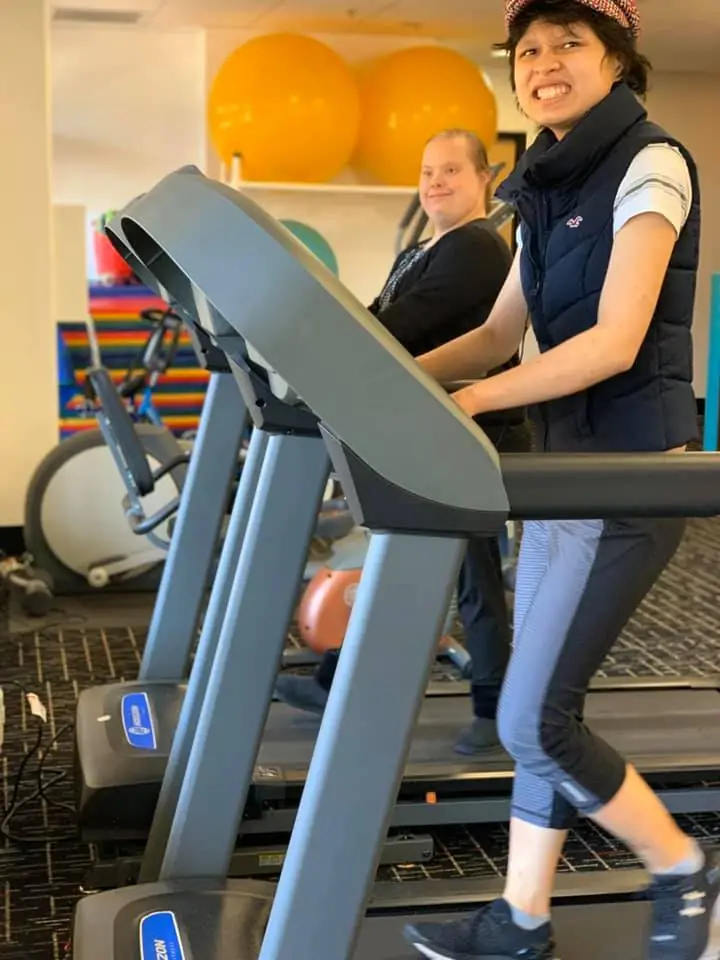
Quality programs develop individualized plans reflecting each participant’s specific goals and support needs. This planning process should involve genuine input from the participant and their family together. Cortney’s Place develops these plans collaboratively, honoring each person’s own voice and preferences.
Goals are revisited regularly, allowing plans to evolve alongside a person’s changing interests and progress. This reflects Cortney’s Place’s genuine, ongoing commitment to our community. Families are always welcome to ask us more about this directly.
♡ What Families Should Know
- This reflects genuine, thoughtful care around experiencing Cortney’s Place’s Approach to Therapy and Activities.
- Families and participants both benefit from this ongoing attention.
- Individualized plans should reflect genuine participant and family input.
The Role of Trained Therapists Within Our Program
Cortney’s Place works with qualified therapists to deliver genuine therapies for adults with IDD, supporting the diverse needs of our participant community. This professional collaboration ensures therapeutic support meets appropriate clinical standards and genuine quality. Families can feel confident in the qualifications behind our therapeutic programming.
We coordinate closely with these professionals to integrate their expertise throughout our daily activities. We consider this an important part of our mission every day. This is something our team reflects on with genuine care.
Genuine therapeutic support respects each person’s autonomy and right to make choices about their own care. Cortney’s Place upholds this respect throughout every therapeutic interaction and activity we offer. This respect reflects our deeper commitment to dignity for every individual we serve.
Participants are never forced into activities that feel uncomfortable or misaligned with their own preferences. This reflects Cortney’s Place’s genuine, ongoing commitment to our community. Families are always welcome to ask us more about this directly.
♡ The Bigger Picture
- Qualified therapists support diverse participant needs professionally.
- Coordination ensures expertise integrates throughout daily programming.
- Genuine support respects autonomy and personal choice always.
How Therapy Goals Connect to Long-Term Life Vision
Effective therapies for adults with IDD work best when connected to a person’s own broader vision for their life and future. Cortney’s Place helps participants and families articulate this vision to guide meaningful goal setting. This connection ensures therapy serves genuine life aspirations, not disconnected clinical checkboxes.
This long-term view shapes how we prioritize and sequence therapeutic goals over time. This reflects Cortney’s Place’s genuine, ongoing commitment to our community. Families are always welcome to ask us more about this directly.
Therapeutic needs and goals naturally shift as participants age and their life circumstances evolve. Cortney’s Place adjusts our therapeutic approach to reflect these changing needs over time. This adaptability reflects our commitment to genuinely relevant, age-appropriate support throughout someone’s life.
We revisit goals periodically to ensure they continue reflecting each person’s current, genuine priorities. This reflects Cortney’s Place’s genuine, ongoing commitment to our community. Families are always welcome to ask us more about this directly.
♡ Something Worth Celebrating
- Therapeutic goals connect best to a person’s own life vision.
- This long-term view shapes how we prioritize goals over time.
- Therapeutic needs naturally shift as participants age.
The Value of Interdisciplinary Collaboration
Above all, Cortney’s Place values collaboration across different therapeutic disciplines to support comprehensive participant care. This interdisciplinary approach ensures no single dimension of support operates in isolation. We believe this collaborative model produces more genuinely effective, holistic outcomes.
Therapeutic sessions are scheduled thoughtfully throughout the week to balance intensity with genuine enjoyment. Cortney’s Place avoids overloading any single day with too much structured therapeutic activity. This pacing reflects our understanding that therapy works best woven naturally into a balanced week.
Therapy at Cortney’s Place never feels separate from the joy of a well-rounded day. This integration reflects our belief that support should feel natural, not clinical or separate. We design every day with this thoughtful balance genuinely in mind.
This integrated approach reflects years of experience learning what genuinely helps adults with IDD thrive. Cortney’s Place continues refining our therapeutic and recreational programming based on this accumulated, practical wisdom. We remain committed to this thoughtful blend as central to our program’s genuine effectiveness.
We remain confident this genuine approach serves our community well each day. This confidence comes from years of watching participants respond positively to this balance. We look forward to continuing this thoughtful approach for many years ahead.
♡ A Moment That Matters
- This reflects genuine, thoughtful care around the Value of Interdisciplinary Collaboration.
- Families and participants both benefit from this ongoing attention.
- This reflects genuine, thoughtful care around therapy sessions being scheduled throughout the Week.
Frequently Asked Questions
What types of therapy are typically offered in a day program?
Programs for adults with IDD commonly include physical therapy for mobility and strength, occupational therapy for daily living skills, speech and language therapy for communication, and emotional or behavioral support such as counseling or social-emotional skill building. Rather than treating these as separate sessions, most effective programs weave them into everyday activities like meal prep, art, movement, and group time, so therapeutic goals get reinforced throughout the day instead of only during a scheduled appointment.
How is progress measured for adults with IDD?
Progress is tracked against each person’s individual service plan (ISP), a working document built around their specific goals, strengths, and pace rather than a fixed, one-size-fits-all benchmark. Staff typically document observations during daily activities and review progress at regular intervals, often quarterly, adjusting goals as a person grows or as priorities shift. This individualized approach reflects a broader shift in the field toward person-centered planning, which treats the person’s own definition of progress as the starting point rather than an external standard.
Can families stay involved in therapeutic goals?
Yes. Cortney’s Place maintains regular communication with families, including updates on goals and progress, so therapy and skill-building carry over consistently between the program and home. Family input also feeds back into the individual service plan itself, since caregivers often notice changes or preferences that don’t always surface during program hours. That two-way communication helps keep everyone, staff and family alike, working from the same picture of what a person needs and how they’re doing.
Conclusion
Therapies for adults with IDD and structured activities work best together, not as separate boxes to check, but as a consistent framework that supports real wellbeing, skill growth, and joy for adults with IDD. When goals are individualized, progress is measured on each person’s own terms, and families stay looped in, that structure becomes something people can actually feel day to day. Ultimately, Cortney’s Place is honored to walk alongside participants and families on this meaningful journey, one goal, one milestone, one day at a time.
A Warm Invitation
Cortney’s Place is here for your family
Contact us to learn more about our therapeutic and activity programming.