• Home
    • Upcoming Events

      Cardinals Climb

      ( February 27, 2027 )

      Cortney’s Place Casino Royale

      Midnight Masquerade Gala

      ( October 30, 2026 )

      Cortney’s Place Driving Dreams Golf Tournament 2027

      ( Feb/March 2027 )

Adaptive Fitness Classes for Adults With Disabilities in AZ

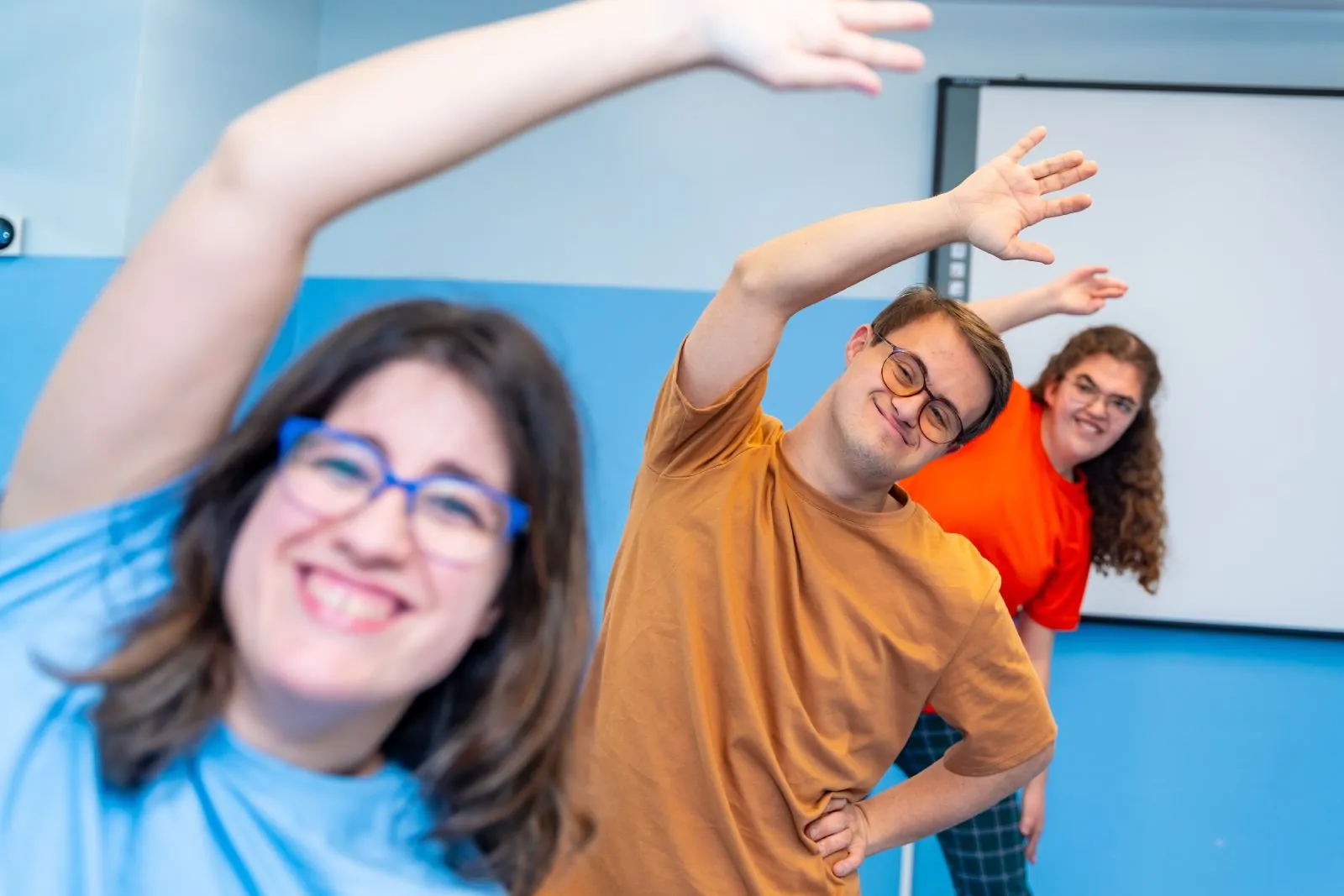
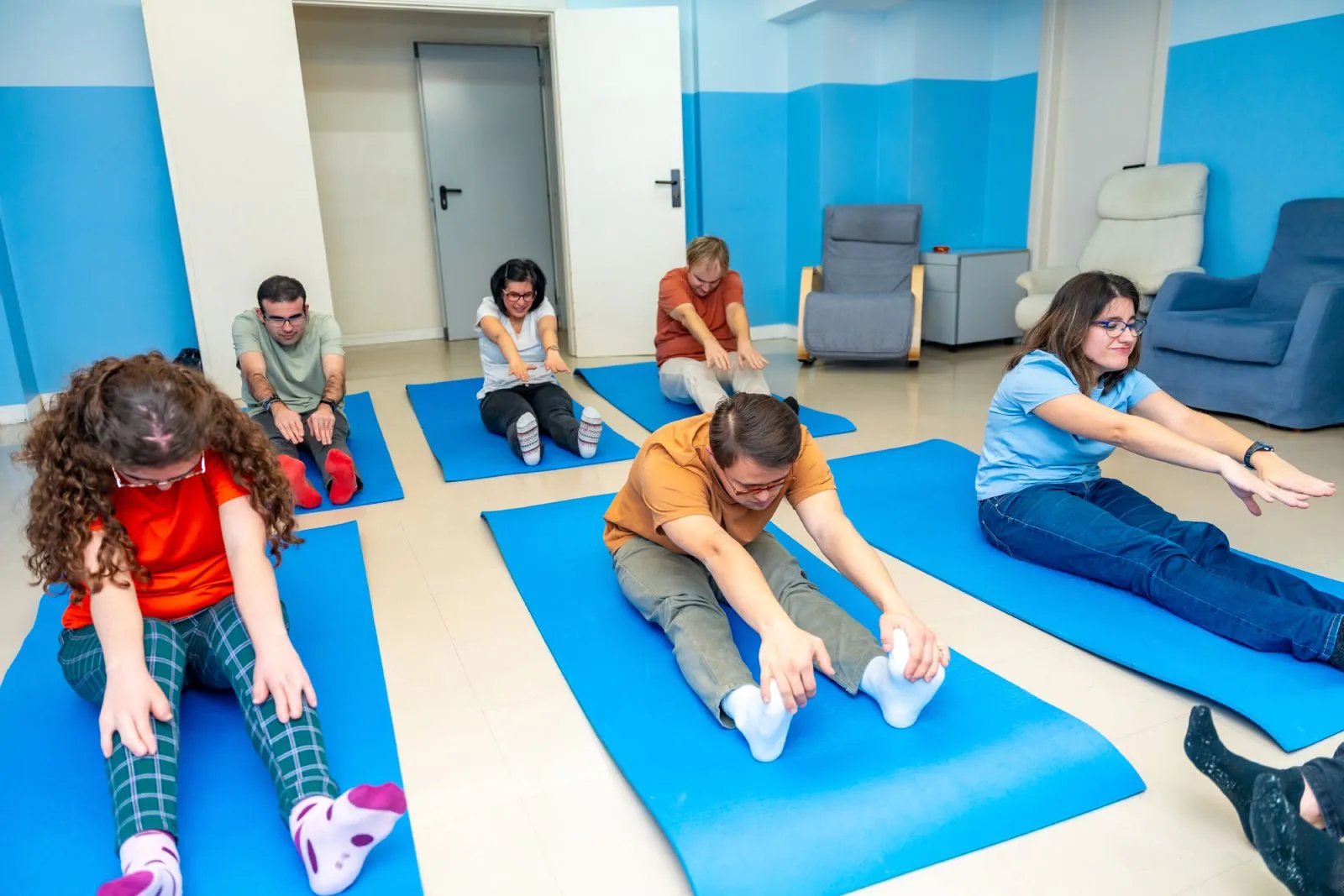
Adaptive fitness class in Arizona, smiling and stretching together in a bright, welcoming group setting.

Table of Contents

Physical activity is not a privilege given only for those without disabilities. Adaptive fitness classes help adults with IDD improve health, build confidence, and reduce anxiety. Understanding what adaptive fitness delivers helps families make physical wellness a genuine priority.

This guide covers five essential things every Arizona family should know about adaptive fitness classes for adults with IDD: what they are, why they matter, what good programming looks like, how to evaluate a program, and how Cortney’s Place integrates adaptive fitness into a holistic, person-centered daily experience.

What Adaptive Fitness Classes Actually Are

Adaptive fitness is not a lower version of regular exercise. It is a thoughtfully modified approach that meets each individual at their current ability level. It respects their communication style, sensory preferences, and challenges them to grow from where they are. The goal mirrors any fitness program: improvement in strength, flexibility, cardiovascular health, and coordination. The difference is simply how those goals are pursued.

An adaptive fitness class for adults with IDD typically includes:

 
  • Strength and resistance training using adapted equipment, resistance bands, seated weight exercises, and body-weight movements modified for different mobility levels and physical abilities
  • Cardiovascular fitness through walking programs, dance fitness, chair aerobics, and rhythmic movements that raises heart rate without requiring complex coordination or high-impact movement.
  • Flexibility and mobility work, including adaptive yoga, gentle stretching, and range-of-motion exercises that improve joint health, reduce muscle tightness, and support daily functional movement.
  • Balance and coordination training through exercises that build core stability, spatial awareness, and proprioceptive feedback – functional skills that translate directly into safer and more confident daily movement
  • Hydrotherapy and aquatic fitness help reduce stress on joints, increase mobility, promote good muscle tone and lung capacity, and create a sensory environment that many adults with IDD find particularly calming and enjoyable.

Key takeaway

Adaptive Fitness Meets Every Participant Where They Are.

Adaptive fitness classes for adults with disabilities are not about lowering expectations. It is about removing the barriers that prevent adults with IDD from experiencing the full physical and emotional benefits of regular exercise. The best programs challenge every participant meaningfully while ensuring that the environment always feels safe, supported, and genuinely welcoming.

Why Adaptive Fitness Classes Matter for Adults With IDD

The evidence supporting adaptive fitness participation for adults with IDD is clear and consistent across research. Physical inactivity is more common among adults with IDD than in the general population, and the health consequences compound over time, reducing quality of life, increasing healthcare costs, and shortening life expectancy. Regular participation in fitness programs directly counteracts these trends.

What adaptive fitness classes deliver for adults with IDD:

 
  • Improved physical health through cardiovascular conditioning, muscle strength development, weight management support, and reduced risk of chronic health conditions including diabetes, heart disease, and osteoporosis that adults with IDD experience at higher rates than the general population
  • Enhanced mental health and emotional regulation as exercise triggers the release of endorphins, serotonin, and dopamine that reduce anxiety, improve mood, and create the neurochemical basis for better emotional regulation throughout the day
  • Stronger motor skills and coordination developed through repeated, structured movement practice that builds the physical confidence and functional independence that carry over into daily living tasks
  • Reduced behavioral challenges since physical activity addresses many underlying causes of behavioral incidents in adults with IDD such as excess energy, sensory dysregulation, frustration, and anxiety in a healthy, constructive outlet
  • Social connection and peer belonging through group fitness experiences that create natural opportunities for peer interaction, shared accomplishment, and the kind of community connection that reduces isolation and supports mental health.
  • Improved sleep quality is consistently reported by adults with IDD who participate in regular physical activity, with measurable effects on daytime mood, engagement, and overall program participation.

Key takeaway

Movement Is Medicine – Especially for Adults With IDD.

The health risks of physical inactivity are significantly higher for adults with IDD. Regular adaptive fitness participation reduces chronic disease risk, improves mood and emotional regulation, builds physical confidence, and creates social connection, all in a single program. No single intervention delivers more across more domains of well-being simultaneously.

Group of adult intellectual disabled people stretching sitting on a mat during yoga class

What Good Adaptive Fitness Programming Looks Like

Not every program labeled adaptive fitness delivers the genuine, individualized experience adults with IDD deserve. Knowing what distinguishes a high-quality program from one that simply modifies standard exercises helps families ask the right questions and make informed enrollment decisions.

Characteristics of genuinely high-quality adaptive fitness programming:

 
  • Person-centered individualization where each participant’s fitness activities are tailored to their specific physical abilities, health considerations, sensory preferences, and personal goals, instead of being applied uniformly to the group
  • Trained and knowledgeable instructors with specific experience working with adults with IDD who understand common health considerations, communication differences, behavioral support needs, and how to modify exercises safely and effectively in real time
  • Sensory-accessible environment with appropriate noise levels, lighting, and spatial organization that minimizes sensory overwhelm and allows participants who process sensory input differently to engage comfortably throughout the class
  • AAC and communication support that ensures participants who communicate through augmentative and alternative communication devices, picture systems, or sign language can fully participate in directing their own fitness experience, rather than being passively guided through it
  • Clear goal alignment connecting fitness participation to each individual’s broader health and wellness goals, with documented progress tracking that informs both the fitness program and the participant’s overall support plan
  • Positive reinforcement and encouragement that celebrate individual progress against personal baselines rather than comparing participants to each other or to external fitness norms.
Key takeaway

Adapted Does Not Mean Generic.

The best adaptive fitness programs look different for every participant because every participant is different. A program that applies identical modifications to every adult with a disability has not truly individualized; it has simply lowered the bar uniformly. Genuine adaptive fitness responds to the specific person in front of the instructor every session.

How Cortney’s Place Integrates Adaptive Fitness Into Daily Life

Cortney’s Place understands that physical wellness is not a separate program scheduled once a week. It is woven into the fabric of a well-designed day program, appearing in every movement break, outdoor activity, music class, and adaptive fitness session on the monthly calendar.

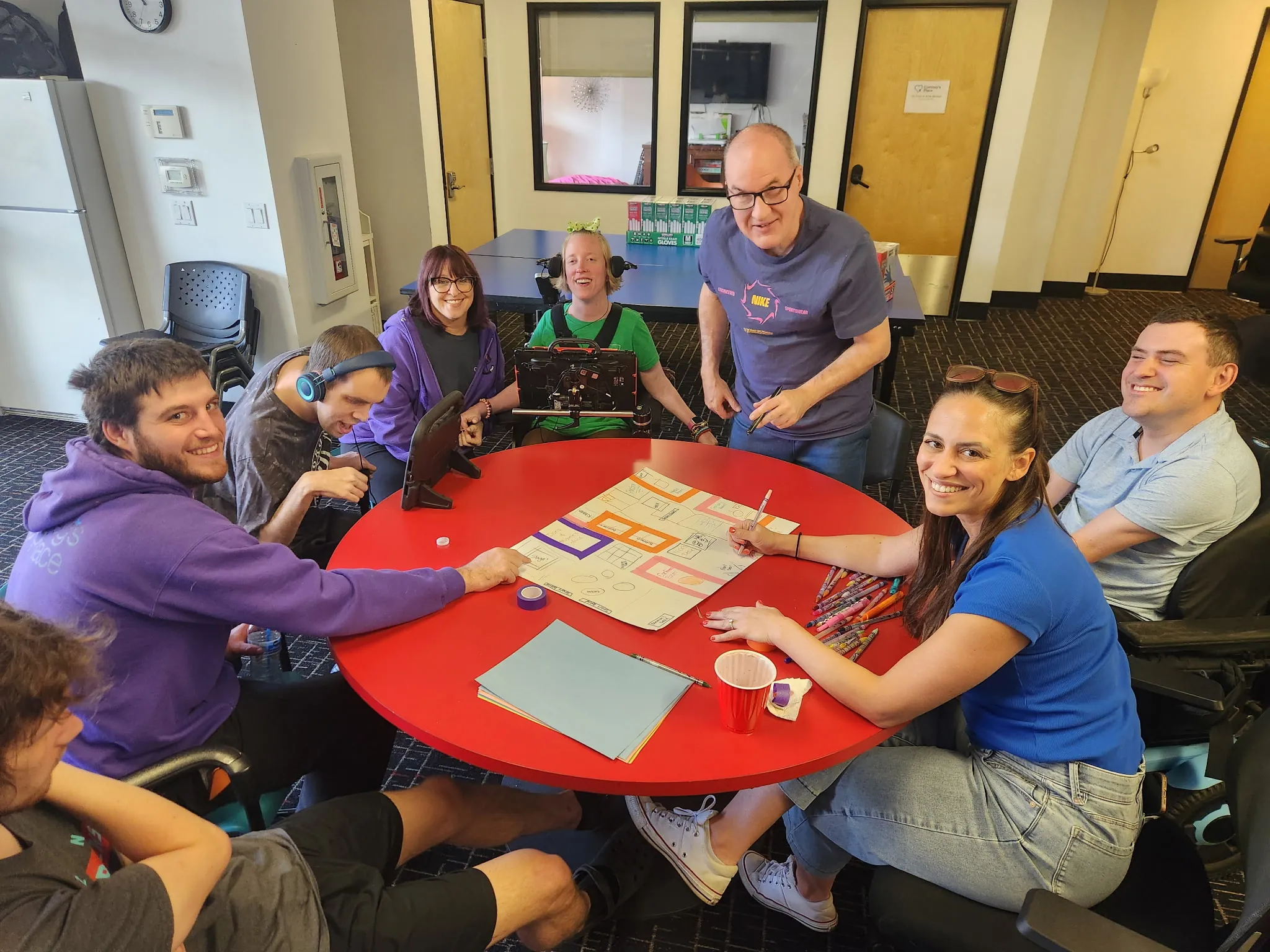
Cortney’s Place’s monthly program calendar offers a range of meaningful classes, including healthy cooking, art, life skills, adaptive fitness, and science and technology with SMART Boards. Individuals are encouraged to participate at their ability level using adaptive equipment and staff assistance as needed.

What makes Cortney’s Place’s approach to adaptive fitness distinctive:

 
  • Integration across the full program so physical activity is embedded in daily life rather than isolated in a single weekly class, creating consistent movement exposure that delivers lasting health benefits.
  • Hydrotherapy awareness recognizes that water-based movement reduces joint stress, increases mobility, and promotes muscle tone and lung capacity in ways many adults with IDD find accessible and enjoyable.
  • Music therapy connection Cortney’s Place’s music programming actively promotes physical engagement through rhythm and movement, and the emotional regulation benefits shared by music and movement.
  • Adaptive equipment and staff support ensure that every participant can engage at their own ability level without feeling excluded from group activities or limited by others’ pace in the class.
  • Person-centered goal alignment connects fitness participation to each individual’s overall support plan so physical wellness contributes to the broader goals the participant and their family care most about

For Arizona families seeking a day program where adaptive fitness is a genuine daily priority rather than a checkbox on a service schedule, Cortney’s Place offers the consistent, integrated, person-centered approach that produces real and lasting results.

Key takeaway

Consistency Is What Turns Fitness Into Wellness

Adaptive fitness classes for adults with disabilities are a form of activity. Consistent, embedded adaptive fitness participation over weeks and months is a wellness practice that improves health outcomes, builds physical confidence, and fosters the kind of active daily life that adults with IDD deserve. Cortney’s Place is built to deliver that consistency.

Frequently Asked Questions About Adaptive Fitness Classes for Adults With IDD in Arizona

What is adaptive fitness, and how is it different from regular exercise?

Adaptive fitness uses modified exercises, adapted equipment, and individualized instruction to make physical activity accessible. Unlike standard programs, it responds to each participant’s specific physical abilities and health conditions. It also accounts for sensory preferences and individual communication needs. The goal is improved strength, cardiovascular health, flexibility, and overall wellness. It’s simply achieved through an approach that genuinely fits each individual.

Yes. Research consistently shows regular physical activity can reduce behavioral challenges in adults with IDD. It addresses underlying causes like excess energy, sensory dysregulation, anxiety, and frustration. Adults in regular adaptive fitness programs shows improvement in emotional regulation throughout the day. They also demonstrate less anxiety and better behavioral outcomes in the hours following activity.

Look for instructors with specific training and experience working with adults with IDD. They should understand common health considerations and modify exercises in real time. Experience creating sensory-accessible environments is equally important. The best instructors bring patience, genuine encouragement, and respect for individual pace. Instructors with IDD-specific experience bring more relevant skills than general disability experience.

Day program fitness benefits from trusted relationships, familiar peers, and structured daily context. Specialized gyms cannot fully replicate this environment. Adults who exercise alongside familiar peers show higher attendance and greater comfort. They also gain stronger social benefit from the shared experience. Specialized gyms offer valuable one-on-one training that complements, but rarely replaces, embedded program participation.

Conclusion

Adaptive fitness is a research-backed path to better health and emotional regulation for adults with disabilities. Consistent participation delivers real, lasting results across every domain of wellbeing. The key is finding a program that genuinely individualizes its approach. Fitness should be embedded in daily life rather than treated as an occasional event. The right program creates a trusted community that turns exercise into a lifelong wellness practice.

Cortney’s Place: Where Adaptive Fitness Is Part of Every Day

At Cortney’s Place, physical wellness and emotional well-being are inseparable daily priorities. Our family-founded nonprofit integrates adaptive fitness alongside music therapy, healthy cooking, art, and life skills. Community outings and a person-centered calendar meet every participant at their ability level. We bring warmth, encouragement, and adaptive equipment support to everything we do. When movement is part of everyday life, health becomes a way of life.

Learn More About Cortney's Place and Schedule a Visit Today

We would love to show you how adaptive fitness and holistic wellness come to life every day at Cortney’s Place and talk about how our program supports your loved one’s physical and emotional health.