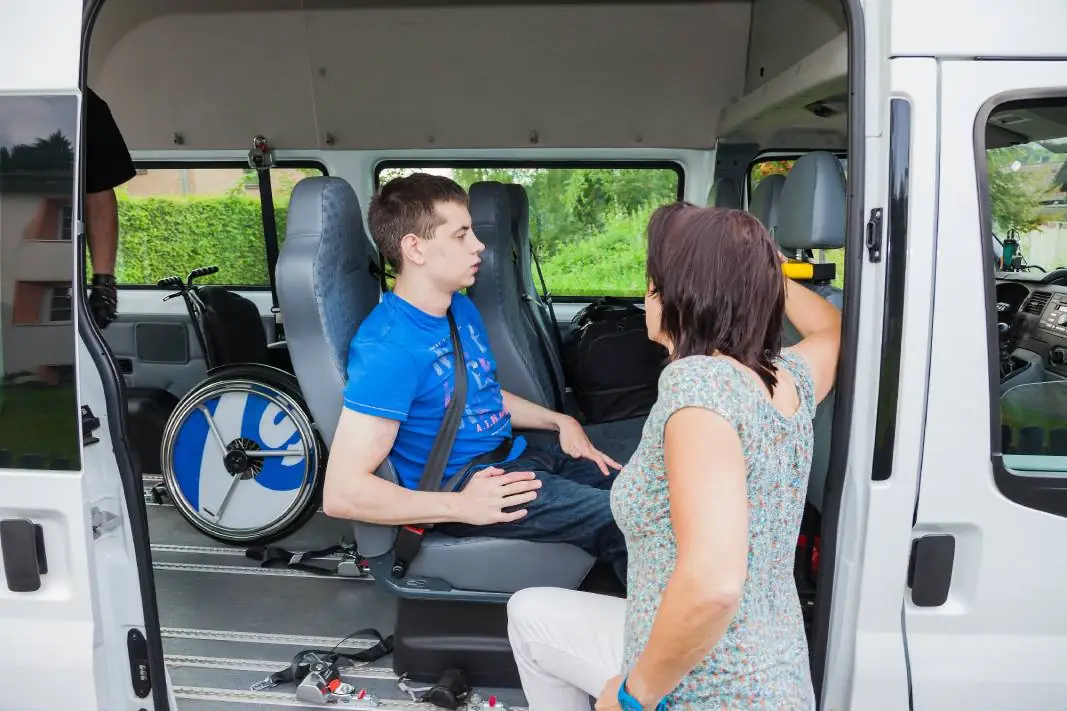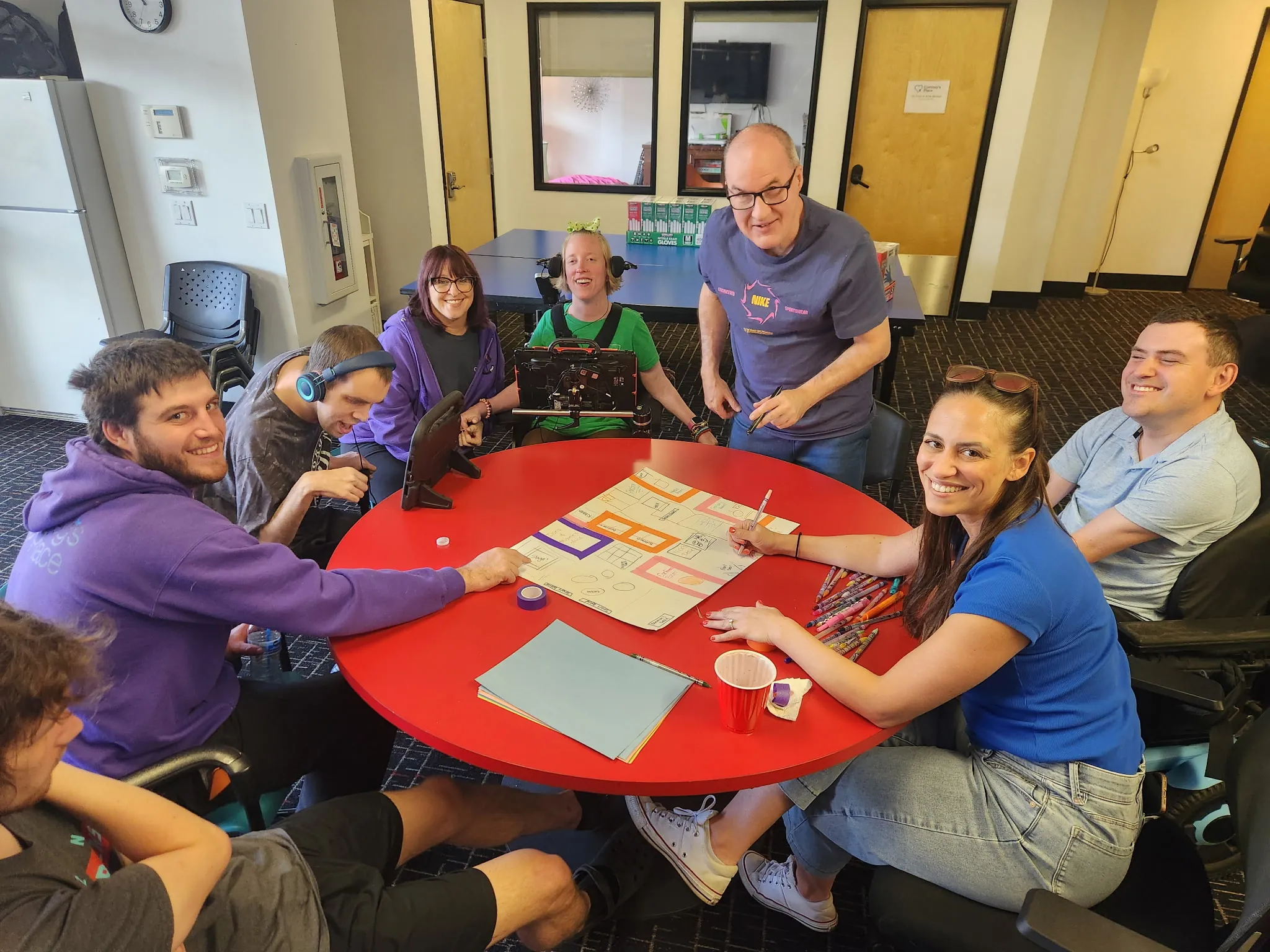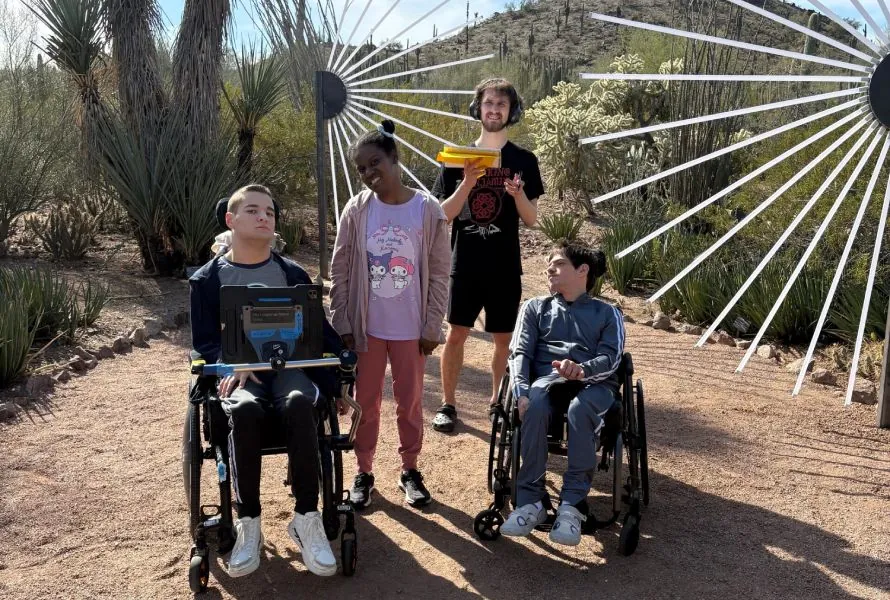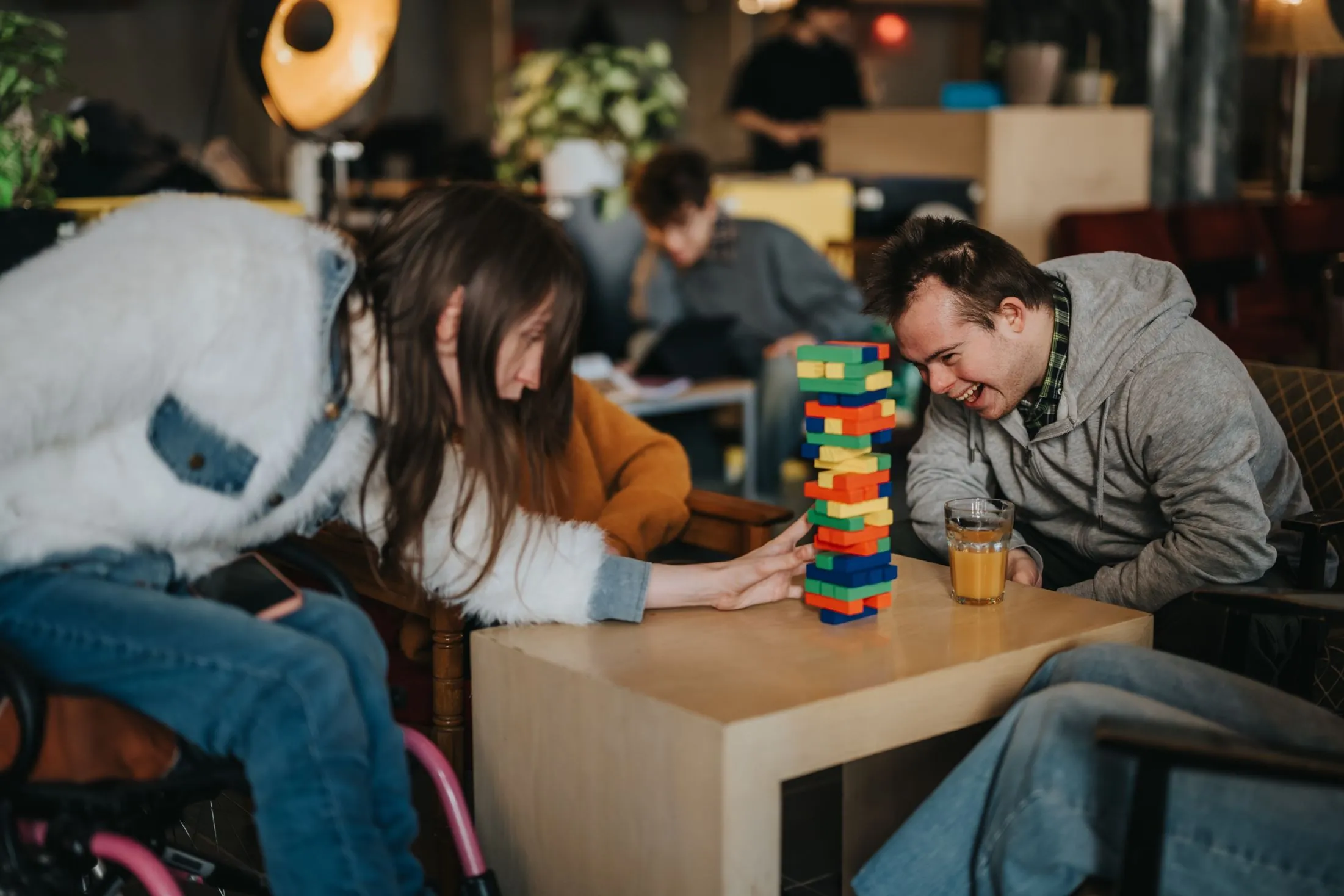
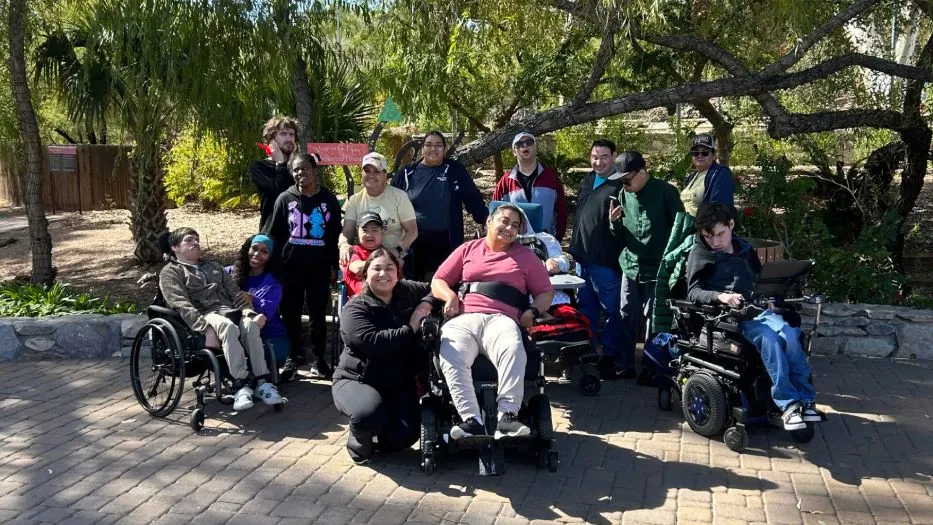
For adults with Intellectual and Developmental Disabilities, a meaningful life is not built inside four walls. Community outings for adults with IDD are powerful tools for improving physical health, emotional well-being, social connection, and personal independence. When adults with IDD step into the broader community with trained support staff and trusted peers, something transformative happens that no classroom activity or therapy session can fully replicate. They practice real life in real places, with real people, and grow in ways that stay with them long after the outing ends.
Arizona offers a rich and accessible landscape for IDD community outings, AZ programs to draw from farmers markets, nature trails, libraries, museums, volunteer sites, local businesses, and recreational facilities that welcome inclusive participation. This article explores why community outings matter deeply for IDD wellbeing, which outings deliver the most benefit, and what families should look for in a day program that makes community inclusion a genuine priority.
Why Community Outings Matter for Adults With IDD Wellbeing
The research case for community outings for adults with IDD is clear and consistent. Adults with IDD who participate regularly in community-based activities demonstrate significantly better outcomes across the domains that matter most for a good quality of life.
What community participation delivers for IDD wellbeing:
- Improved physical health through increased movement, reduced sedentary time, and engagement with outdoor environments that support cardiovascular health, motor coordination, and sensory stimulation.
- Reduced anxiety and depression as regular community participation decreases isolation, introduces positive new experiences, and activates social connections, which research identifies as a primary protective factor against mental health decline.
- Enhanced self-confidence and self-determination as adults with IDD navigate real-world environments, make choices, express preferences, and see themselves as active participants in community life rather than observers.
- Stronger communication and social skills developed through honest interactions with community members, service providers, and the public in contexts that cannot be fully simulated inside a program setting.
- Greater independence comes from repeated real-world practice of life skills such as ordering food, handling money, navigating public spaces, and using transportation, which builds functional competence that carries over into daily living.
What Good Community Outings For Adults With IDD Look Like
- Person-centered destination and activity selection where each individual’s interests, goals, and communication preferences shape the outing instead of defaulting to group convenience.
- Skill integration, where support staff design outings to practice specific life skills such as purchasing an item, reading a menu, interacting with a cashier, and following a route, rather than being purely recreational.
- Genuine community integration that focuses on interactions with community members who are not part of the IDD support system, building natural social relationships, and reducing the visible boundaries between participants and the broader public
- Appropriate challenge levels that stretch each participant just beyond their comfort zone without overwhelming them, and build confidence through graduated success in real-world settings.
- Reflective debriefing after outings, where participants can communicate about their experience, reinforce vocabulary and concepts encountered, and connect the outing to their broader personal goals
Types of community outings that consistently deliver strong IDD wellbeing outcomes include grocery and retail shopping trips, volunteer opportunities at food banks and community gardens, library visits and literacy programs, farmers markets and local cultural events, nature walks and accessible outdoor recreation, and inclusive fitness and movement classes.
The Role of Person-Centered Planning in Community Outings
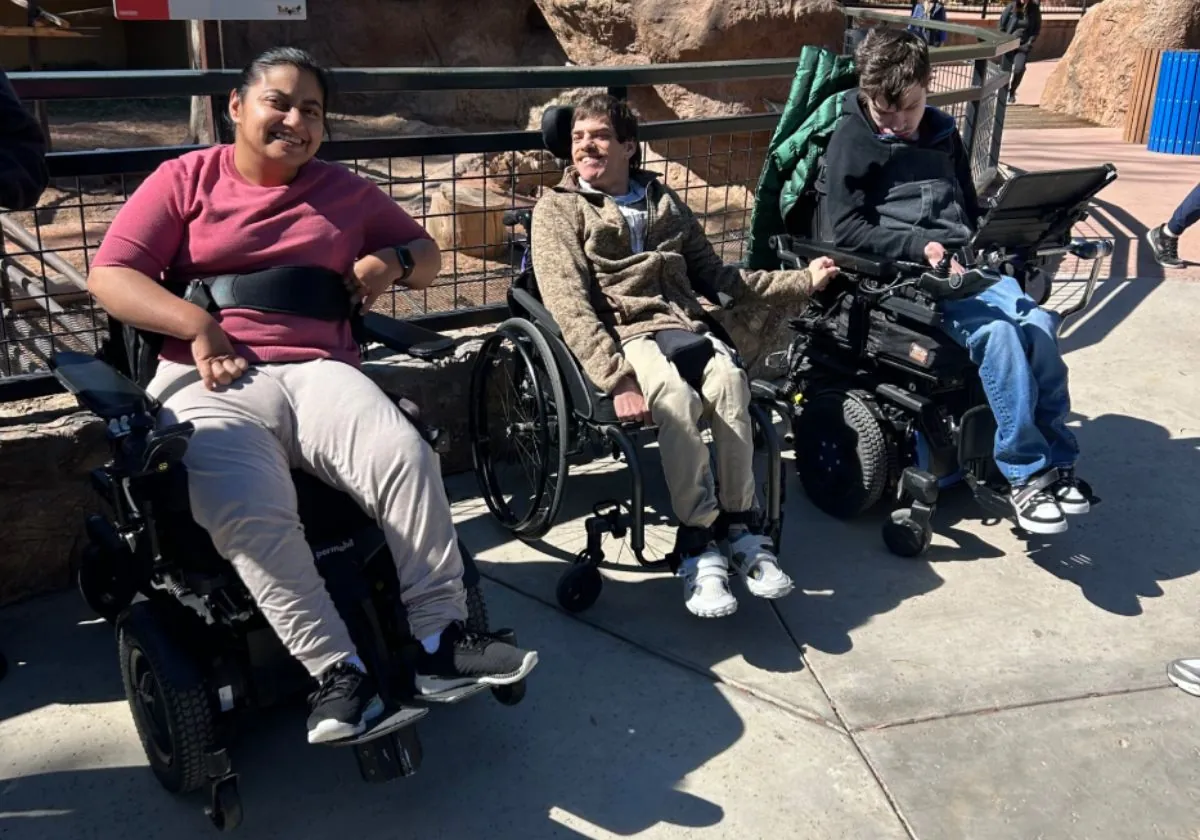
Person-centered planning is what separates a meaningful community outing from a group field trip. Research consistently shows that requiring all adults with IDD to attend the same community outing regardless of individual preference contradicts the foundational principles of community-living policy and produces poorer outcomes than individually tailored participation.
A person-centered approach to IDD community outings in AZ means each participant’s outing schedule reflects their unique:
- Personal interests and hobbies that make the outing genuinely motivating rather than obligatory
- Current skill development goals that the outing is specifically designed to support and document
- Social preferences regarding who they go with, how large the group is, and how much structured versus unstructured time the outing involves
- Communication and sensory needs that shape how staff prepare the environment, how they facilitate interactions, and how they debrief the outing afterward
Conclusion
Community outings for adults with IDD are not a nice-to-have element of a good support program. They are a research-backed, irreplaceable component of a life that is genuinely full, connected, and growing. Regular participation in community life improves physical health, strengthens communication skills, builds self-determination, reduces isolation, and creates real-world competence that no in-program activity can substitute. For Arizona families seeking a day program that treats IDD community outings AZ as foundational rather than occasional, the right program makes the community part of every week, not just a special event on the calendar.