Table of Contents
Every adult deserves a life rich with creative expression, connection, and the deep satisfaction of making something meaningful. Creative programs for adults with Intellectual and Developmental Disabilities (IDD) in AZ are not enrichment extras sitting at the edge of a support plan. In fact, they are core programming that builds communication skills, strengthens social bonds, improves emotional health, and affirms that every person – regardless of ability – has a unique voice worth hearing and a creative contribution worth celebrating.
Fortunately, Arizona offers a growing range of arts, music, and creative programs for adults with IDD. The evidence supporting their impact is substantial. Specifically, this article explores the types of programs available and the documented benefits each delivers. It also covers how creative programs support mental health and what families should look for when evaluating a program. Finally, it explains why creative activities for adults with disabilities are among the most powerful tools in the IDD support toolkit.
Why Creative Programs Matter for Adults with IDD
Importantly, the case for creative programs for adults with IDD is not based on sentiment alone. Research confirms that participation in art, music, drama, and movement programs produces measurable, lasting improvements. Notably, these gains matter most for adult well-being and quality of life.
What the research confirms:
- Adults with IDD who participate in regular arts and music programs show significant improvements in self-expression, confidence, mood, and social skills, with quantitative measures confirming increased communication, interaction with others, and joint attention across program settings.
- Music therapy refers to the evidence-based clinical use of music to accomplish individualized goals, triggers the release of dopamine and serotonin – neurotransmitters directly linked to improved mood, reduced anxiety, and stronger emotional regulation.
- Similarly, art therapy produces measurable improvements in emotional expression, self-image, autonomy, and recognition of personal patterns of behavior and thought – outcomes that directly support independence and self-determination for adults with IDD.
- Drama participation specifically increases community acceptance, reduce social isolation, improve relationships, and build peer connections that extend meaningfully beyond the program itself.
Moreover, for many adults with IDD, creative programs provide a communication channel that spoken language cannot offer. A brushstroke, drumbeat, dance movement, or role-play can express what words cannot. As a result, these actions open pathways for emotional processing and genuine human connection. Traditional support activities rarely access these pathways.
⚡ Creativity Is Not a Bonus – It Is a Right
Research is clear: art, music, and creative programs produce measurable improvements in mood, communication, social connection, and emotional regulation for adults with IDD. These are not optional enrichment activities. They are evidence-based interventions that belong at the center of every adult IDD support plan.
Creative Programs as a Mental Health Intervention
Additionally, many adults with IDD experience anxiety, depression, or behavioral challenges. Creative programs for adults with IDD in AZ deliver clinical-level mental health benefits that many families and support professionals have not fully recognized. In fact, adults with IDD face mental health conditions at higher rates than the general population. Finding accessible, non-clinical interventions that address these needs is one of the most urgent priorities in IDD care.
How art and music programs address specific mental health challenges:
- Anxiety – art and music therapy provide a creative outlet for expressing feelings of anxiety, helping adults visualize and process their worries in a safe, structured environment without requiring verbal articulation of distressing experiences. Furthermore, music specifically decreases anxiety through its direct effect on the autonomic nervous system, slowing heart rate and reducing cortisol levels during and after sessions.
- Depression – making art and music boosts dopamine levels. This process improves mood, concentration, and motivation. These gains directly counter the flat affect and withdrawal linked to depression. Moreover, group singing, drumming, and collaborative art projects create social connection and a sense of shared purpose. These are powerful protective factors against depression in adults with IDD.
- Behavioral challenges – many behavioral challenges in adults with IDD come from frustrated communication, emotional dysregulation, and unmet sensory needs. Creative programs address all three at once. They provide alternative expression pathways, structured emotional regulation practice, and sensory engagement. As a result, these supports reduce the frustration and overwhelm that often lead to behavioral incidents.
- Trauma processing – art and music therapy allow adults with IDD to express and process traumatic experiences through creative means. These approaches do not require verbal recounting of distressing memories or events.
When a behavioral challenge decreases, or an adult with IDD arrives at program activities with greater calm and engagement, the creative program may be doing clinical-level work. Yet, this progress often never appears in a therapy report. Families and support professionals who understand this connection are better equipped to advocate for adult IDD art and music activity as a funded, prioritized part of every support plan.
⚡ Creative Programs Work Where Verbal Therapy Cannot Always Reach
For adults with IDD managing anxiety, depression, or behavioral challenges, art and music programs offer accessible, non-verbal pathways to emotional processing and regulation. These are not workarounds. They are evidence-based mental health interventions that complement clinical support and deserve recognition in every support plan.
Types of Art, Music & Creative Programs Available in Arizona
Arizona offers a growing array of adult IDD art and music activity options. These range from structured therapeutic programs to community-based creative studios and performance groups. Understanding what each program type offers helps families and support professionals find the best fit for the adults in their lives.
Visual Arts Programs
Visual arts programming gives adults with IDD the tools and space to create original works in painting, drawing, collage, sculpture, printmaking, and mixed media. In addition, well-designed programs use adapted materials such as large-grip brushes, non-toxic paints, textured surfaces, and accessible workstations. Importantly, these materials meet participants at their physical and cognitive ability levels without limiting creative ambition.
Key outcomes of visual arts programs include:
- Improved fine motor skills through handling and manipulating varied art materials
- Enhanced emotional expression and self-awareness through the creative process
- Strengthened self-image and sense of accomplishment from completing original works
- Increased community belonging through exhibition, gallery events, and shared creative projects.
- Development of sustained attention and focus through structured art-making sessions.
Music Programs and Music Therapy
Similarly, music programming for adults with IDD covers a wide spectrum. Specifically, options include one-on-one music therapy sessions with a licensed Music Therapist Board Certified (MT-BC), group music workshops, drumming circles, choir participation, songwriting groups, and adaptive instrument instruction.
Key outcomes of music programs include:
- Reduced anxiety, depression, and loneliness through regular music participation
- Improved mood, energy, and emotional regulation from dopamine and serotonin release
- Enhanced communication and language skills through singing, rhythm activities, and lyric discussion
- Strengthened social bonds through shared musical experience and group performance
- Increased self-confidence through performance opportunities and musical skill development
Drama and Theatre Programs
Beyond music, drama participation builds skills that transfer directly to daily life. For example, role-playing social scenarios, practicing emotional expression, learning to read audience reactions, and collaborating with cast members all develop social competencies, self-advocacy skills, and communication abilities. Person-centered planning aims to strengthen these abilities.
Key outcomes of drama and theatre programs include:
- Improved social skills, turn-taking, and collaborative behavior through ensemble work
- Reduced social isolation and increased community visibility through public performance
- Strengthened self-expression, confidence, and public communication ability
- Development of empathy and perspective-taking through character portrayal and storytelling
- Genuine community belonging through shared creative experiences with peers and audiences
Movement, Dance, and Sensory Creative Programs
Movement and dance programs for adults with IDD combine physical activity with creative expression. Notably, these formats are accessible across a wide range of ability levels. Adaptive dance, chair yoga, rhythm-based movement, and dance fitness programs support physical health, body awareness, spatial orientation, and emotional regulation at the same time.
Furthermore, sensory creative programs add another dimension. Specifically, they use tactile materials, sound environments, light, and textured surfaces to engage the senses. These approaches promote relaxation, reduce anxiety, and support self-regulation. For adults with sensory processing differences or limited verbal communication, sensory creative experiences offer an accessible pathway to creative engagement and emotional expression.
Key outcomes of movement and sensory programs include:
- Improved physical fitness, coordination, and body awareness
- Reduced anxiety and behavioral challenges through movement-based emotional regulation
- Enhanced sensory processing and tolerance through structured sensory creative experiences
- Strengthened social connections through partner and group movement activities
- Increased joy, energy, and engagement through music-integrated movement sessions
⚡ Every Creative Format Opens a Different Door
Visual arts, music, drama, and movement each reach adults with IDD through different sensory pathways. Each delivers distinct but overlapping benefits. The most effective programs offer multiple creative formats. This way, every participant finds the medium that matches their strengths, preferences, and communication style.
Common Barriers to Accessing Creative Programs and How to Address Them
However, understanding why creative activities for adults with disabilities are sometimes hard to access is the first step to removing those barriers. Still, many families who would benefit from these programs face practical obstacles. Fortunately, the right information and advocacy can solve most of these challenges.
The most common barriers and practical solutions:
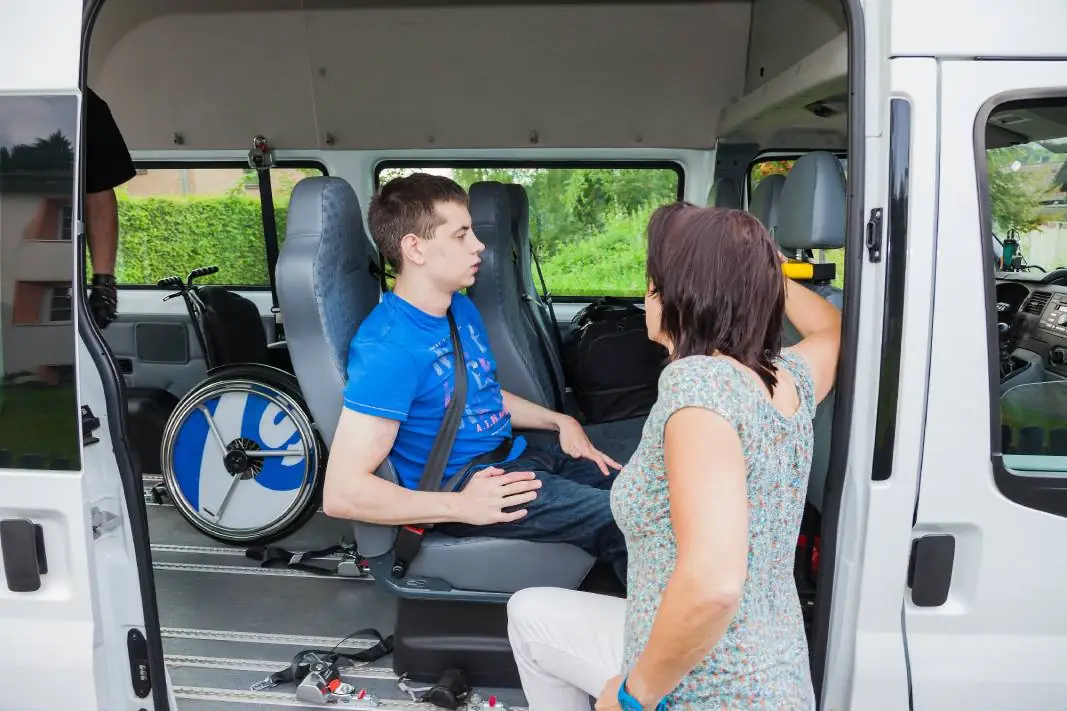
- Transportation – many adults with IDD rely on paratransit, caregiver transportation, or program-provided transport to attend day programs. Ask prospective programs directly whether transportation is included or coordinated, and contact your DDD Support Coordinator about transportation funding available through your HCBS waiver authorization.
- Funding and waiver access – Licensed day habilitation programs typically fund creative programming through Arizona’s Medicaid HCBS Developmental Disabilities waiver. If creative programming is not currently authorized in your loved one’s service plan, request that it be added at the next ISP (Individual Support Plan) review meeting and bring documentation of the outcomes it supports
- Limited program availability in some Arizona communities – not every community in Arizona has equal access to high-quality IDD-specific creative programs. Therefore, families in underserved areas should consider day programs that offer transportation from a wider geographic radius. Ask whether any digital or hybrid creative programming options are available as a bridge.
- Family uncertainty about whether creative programs are worth the disruption of changing routines – adults with IDD often thrive on routine. Admittedly, introducing a new program can feel risky. Start with a trial visit. Involve your loved one in choosing the creative activities they are most curious about. Allow enough time for adjustment before deciding if the program is a good fit.
- Staff turnover and inconsistent program quality – the quality of a creative program depends on the consistency and skill of its facilitators. Therefore, ask about staff tenure and training in IDD-specific creative facilitation. Also, ask how the program maintains quality and continuity when staff changes occur.
⚡ Barriers Are Real — But Most Are Solvable
Transportation, funding gaps, and routine disruption are the most common reasons families delay enrolling a loved one in creative programming. Each of these barriers has a practical solution. The cost of delay is measured in missed developmental and emotional benefits that accrue only through consistent participation over time.
How Families Can Support Creative Engagement at Home
Importantly, the benefits of creative programs for adults with IDD in AZ do not have to stay within the day program. Families who support and extend creative engagement at home amplify the gains that program participation delivers. In fact, consistency and generalization across settings are among the strongest predictors of lasting benefit in any IDD support approach.
Practical ways families can support creative engagement between program visits:
- Celebrate creative work genuinely and specifically. Display artwork at home, play back a recorded musical performance, and talk about a drama activity with real curiosity. Specific, genuine recognition builds creative confidence. As a result, this confidence makes participants more willing to take risks and engage more deeply in future program sessions.
- Create low-pressure creative opportunities at home. Keep simple art supplies accessible, play music together, and try a movement activity in the living room. The goal is not structured instruction. Instead, focus on relaxed, familiar creative engagement that reinforces the skills and emotional benefits built during program time.
- Communicate creative goals with program staff. Tell facilitators which activities your loved one talks about most at home. Share which creative formats seem to energize them most. Report any changes in mood or behavior that correlate with program participation. Consequently, this two-way communication helps staff tailor programming more effectively to each individual.
- Attend exhibitions, performances, and showcase events. When your loved one’s creative work is displayed or performed publicly, your presence as a family member transforms the moment. In turn, it becomes a genuine celebration of identity and achievement that carries lasting emotional weight.
- Connect creative expression to daily life. If your loved one enjoys music programming, play their favorite program songs during morning routines. If visual arts are a strength, involve them in creative decisions around the home. Ultimately, weaving creative expression into daily life shows that their creative voice matters everywhere, not just during program hours.
⚡ Home Is Where Creative Gains Are Reinforced
Families who celebrate creative work, create home-based opportunities, and communicate openly with program staff see stronger progress in their loved one’s communication, confidence, and emotional well-being. Creative growth compounds across settings when home and program environments work together.
Frequently Asked Questions About Creative Programs for Adults with IDD in Arizona
What types of art and music activities are best for adults with IDD?
Generally, the most effective activities are those matched to the individual’s sensory preferences, motor abilities, and communication style. Specifically, visual arts, music therapy, drama, and adaptive movement all deliver strong documented outcomes. Programs that offer multiple creative formats give participants the opportunity to find the medium that resonates most with their strengths and interests. In fact, person-centered creative programming that adapts activities to individual ability levels consistently outperforms one-size-fits-all approaches.
How do creative programs support communication skills for adults with IDD?
Creative programs provide non-verbal communication pathways that supplement or sometimes replace spoken language. For instance, art, music, and movement allow adults with IDD to express emotions, preferences, and ideas through creative output when verbal expression is limited or inconsistent. In particular, group drama and music activities specifically build turn-taking, joint attention, and reciprocal communication skills that transfer meaningfully into daily social interactions.
Are creative programs covered by Medicaid waiver funding in Arizona?
Many creative programs for adults with IDD are delivered within day habilitation programs funded through Arizona’s Medicaid HCBS Developmental Disabilities waiver. However, specific funding coverage depends on how activities are classified within the individual’s service plan and authorization. Contact your Support Coordinator or DDD case manager to clarify what creative programming activities are authorized within your loved one’s current funding plan, and request additions at the next ISP review meeting if needed.
How long before I see results from a creative program for my loved one?
Early signs of engagement – improved mood on program days, willingness to attend, and talking about activities at home – typically appear within the first four to eight weeks. Over time, deeper gains in communication, social confidence, and emotional regulation become visible over two to six months of consistent participation. Indeed, research confirms that time and consistency are the strongest predictors of benefit. The adjustment period in the first few weeks is normal. Do not interpret it as a sign that the program is not working.
Conclusion
Art, music, and creative programs for adults with IDD in AZ are among the most evidence-backed, person-honoring approaches in the IDD support landscape. Specifically, visual arts, music therapy, drama, and movement programs each deliver measurable improvements in communication, emotional regulation, mental health, and quality of life. Moreover, these gains extend well beyond the creative activity itself. Accessing these programs means navigating real barriers such as transportation, funding, and routine adjustment. Fortunately, each barrier has a practical solution. Indeed, the cost of delay is measured in missed developmental and emotional benefits that only consistent participation delivers. Ultimately, families who support creative engagement at home, advocate for program access within the support plan, and understand the timeline of progress are the most powerful allies their loved one has on this journey.
Cortney's Place: Where Creative Expression Meets Community
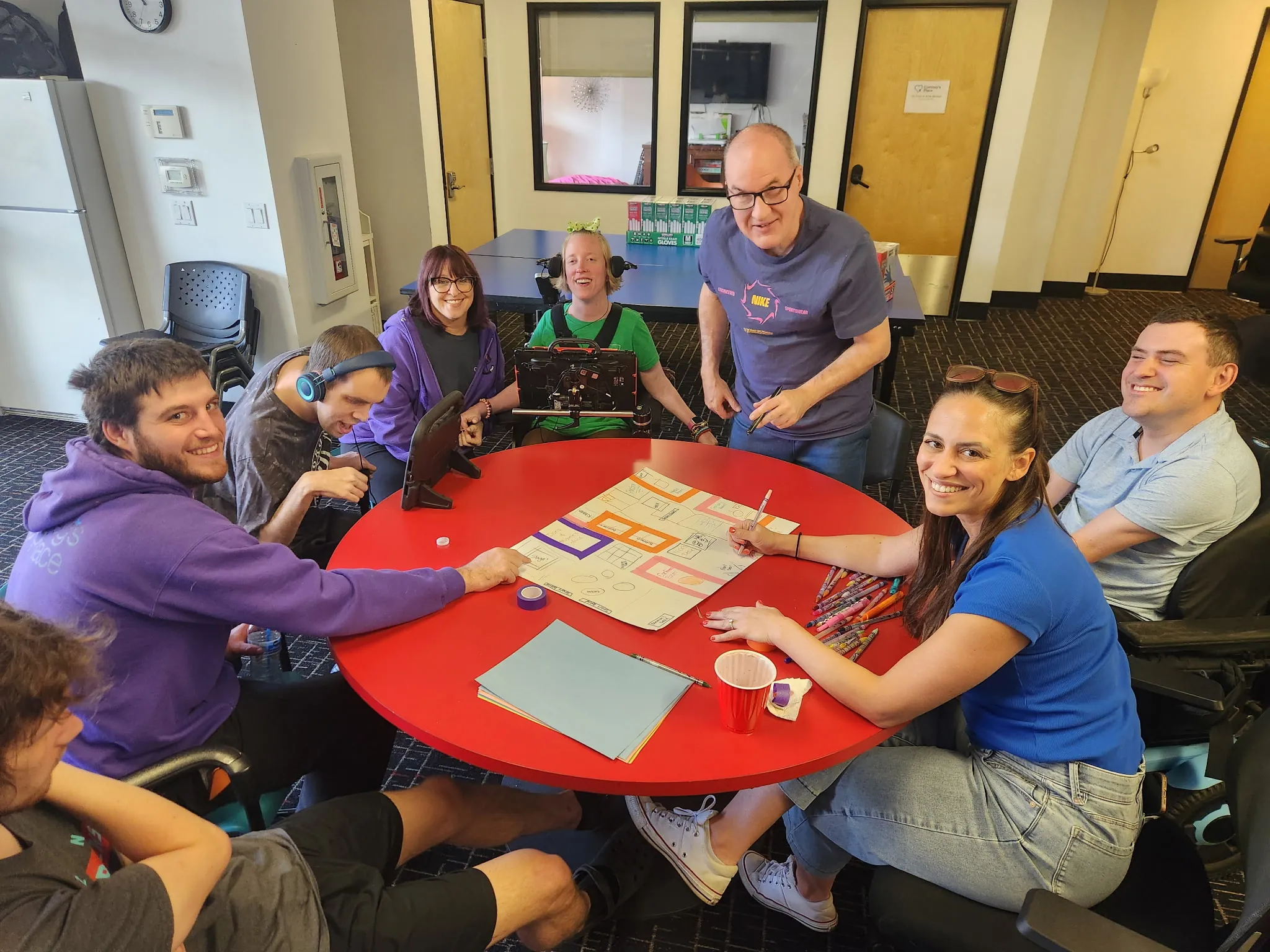
At Cortney’s Place, we believe every adult with IDD has a creative voice worth celebrating and a community ready to receive it. Specifically, our inclusive, family-founded nonprofit community-based day program integrates adult IDD art and music activity with peer interaction, community outings, and person-centered goal planning. This creates a daily environment where creative expression and genuine belonging go hand in hand. Whether your loved one is drawn to visual arts, music, movement, or drama, Cortney’s Place provides a consistent, supportive, and stimulating community where creativity can truly flourish.
Therefore, we would love to show you what a creative, connected day at Cortney’s Place looks like and talk about how our program can support your loved one’s goals.