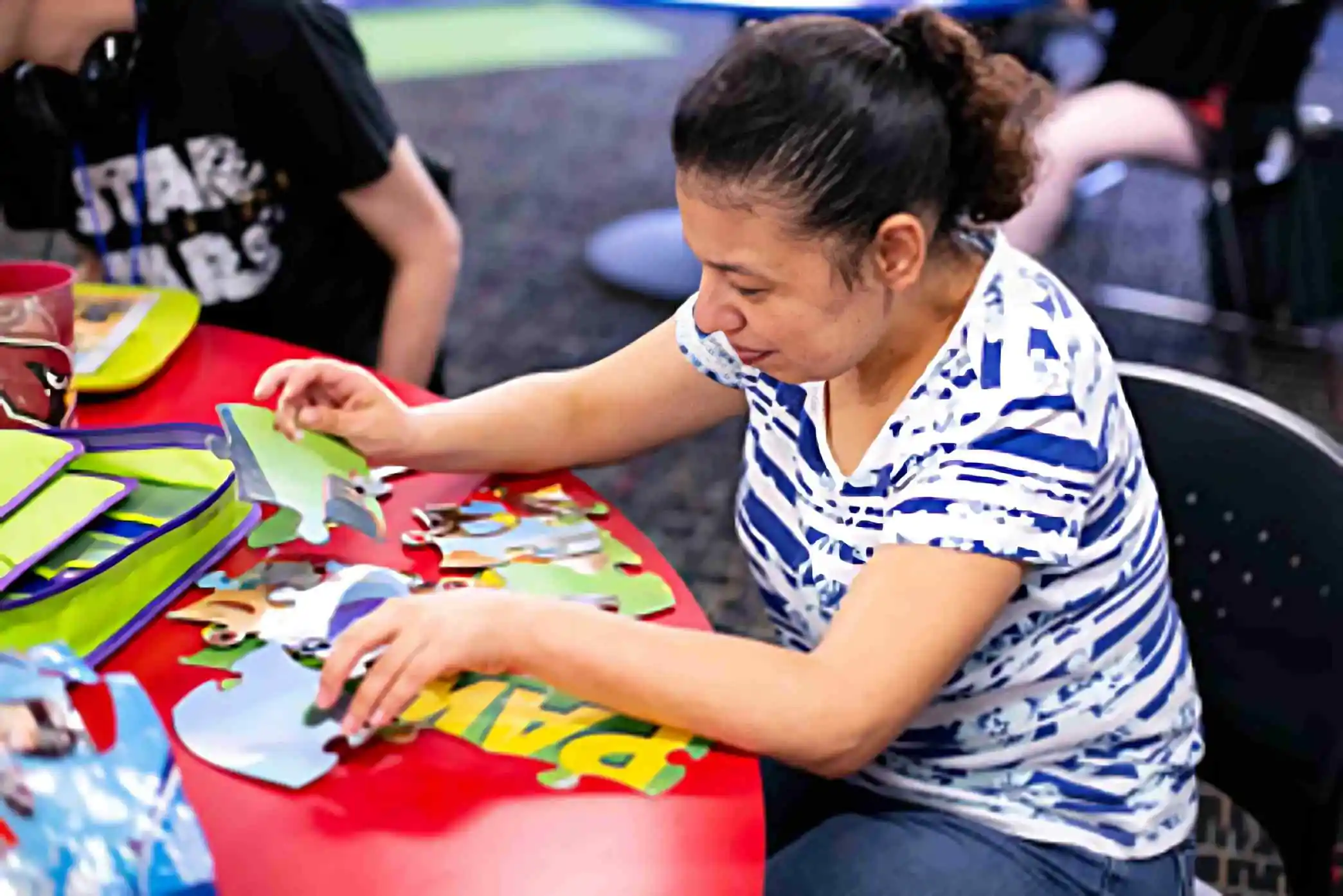
Social isolation is a major challenge for adults with Intellectual and Developmental Disabilities (IDD). Research shows adults with IDD face higher rates of loneliness and exclusion than others. This seriously affects mental health, physical well-being, and quality of life. Social interaction is not optional for adults with IDD. It is a basic human need. Meeting that need requires steady effort from families, support staff, and the community.
Why Social Isolation Hits Adults with IDD So Hard
Adults with IDD face many barriers to social connection. Communication differences, limited transportation, and fewer job opportunities contribute. Losing school-based social settings after age 21 also shrinks their social world. Without intentional inclusion, many adults with disabilities spend most of their time with little peer interaction.
The consequences are well documented. Social isolation in adults with IDD is associated with:
- Significantly higher rates of anxiety, depression, and behavioral challenges
- Decline in adaptive functioning and daily living skills built during the school years
- Increased vulnerability to abuse, exploitation, and neglect
- Reduced life expectancy linked to the chronic stress of prolonged loneliness
- Loss of motivation, self-confidence, and sense of purpose
Adults with IDD who feel connected to a community report higher life satisfaction and better mental health. They also engage more in daily activities. Connection is not a bonus in a support plan. It is the foundation.
Proven Strategies for Building Social Connection
Reducing social isolation for adults with disabilities requires more than good intentions. It needs consistent access to structured opportunities where meaningful relationships can form over time. The following approaches have the strongest evidence for improving social interaction among adults with IDD.
Structured Day Programs with Peer Interaction
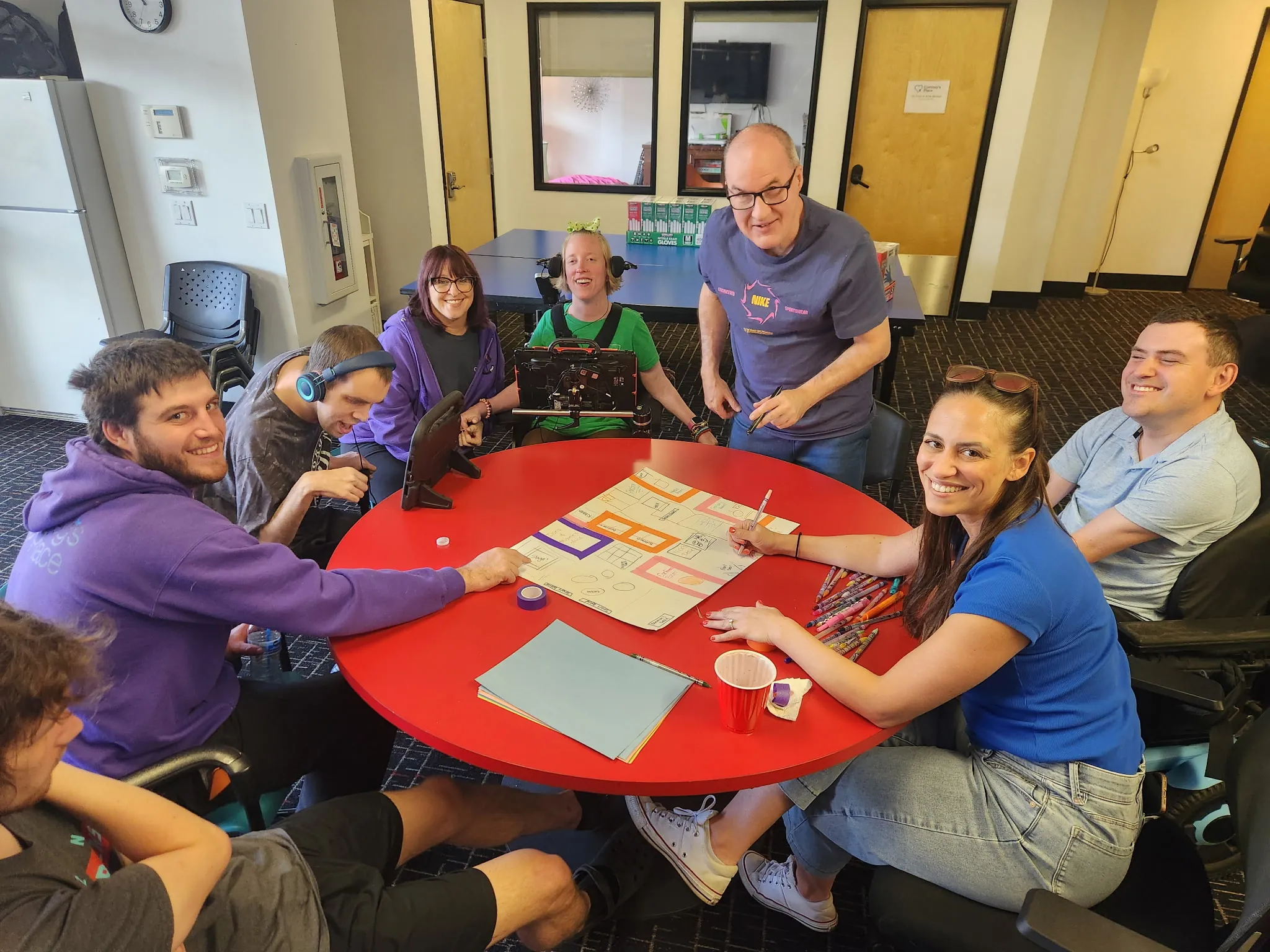
A well-designed day program social activity calendar is one of the most reliable environments for building and sustaining social relationships. Daily group activities, shared meals, collaborative projects, and regular community outings create repeated, low-pressure contact that research identifies as essential for friendship formation. Adults with IDD feel most comfortable engaging socially when surrounded by trusted peers and familiar support staff, making consistent program attendance a meaningful protective factor against isolation.
Peer Support Groups and Peer Mentoring
Peer support gives adults with IDD direct access to others who share similar experiences, communication styles, and daily realities. Community-based peer support groups, in person or through accessible digital formats, improve social belonging, connectedness, empowerment, and self-efficacy. Peer mentoring pairs individuals with mentors who model positive social behavior and introduce new community settings, building confidence beyond the familiar program environment.
Drama, Arts, and Group Creative Programs
Drama participation has strong research support as an intervention for reducing isolation. Group drama programs increase social inclusion for adults with disabilities through improved relationships, community acceptance, and reduced isolation, with participants often motivated to continue meeting peers long after a program ends. Music, movement, visual arts, and collaborative creative projects serve similar functions, offering emotionally engaging, structured settings where relationships form naturally around shared activity.
Community-Based Activities and Volunteer Opportunities
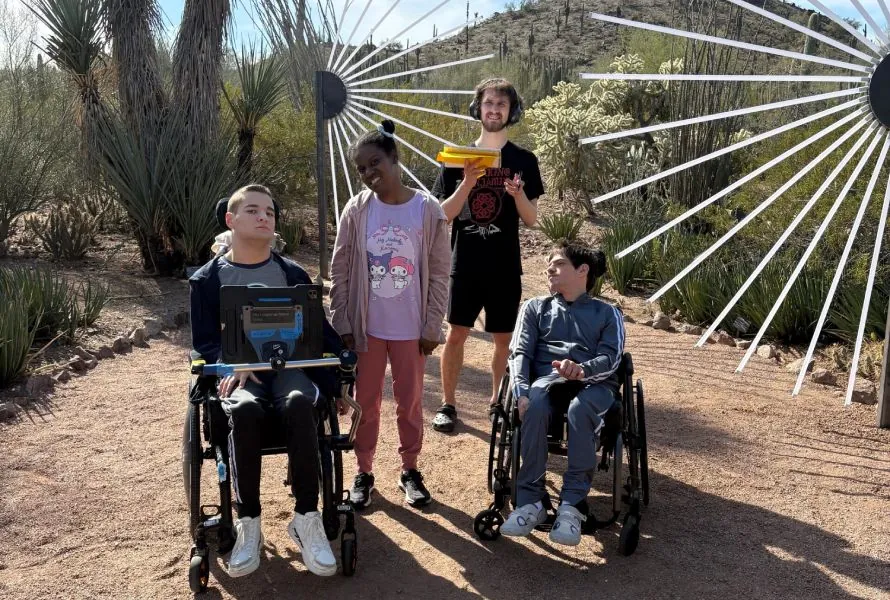
Social interaction for IDD must extend beyond any single program to be truly meaningful. Supported community outings, volunteer roles, fitness groups, and inclusive recreational programs give adults with IDD authentic opportunities to engage with the wider community alongside people without disabilities. Unified programs that integrate participants with and without disabilities, such as Unified Sports through Special Olympics, show strong outcomes for social inclusion, friendship development, and lasting community belonging.
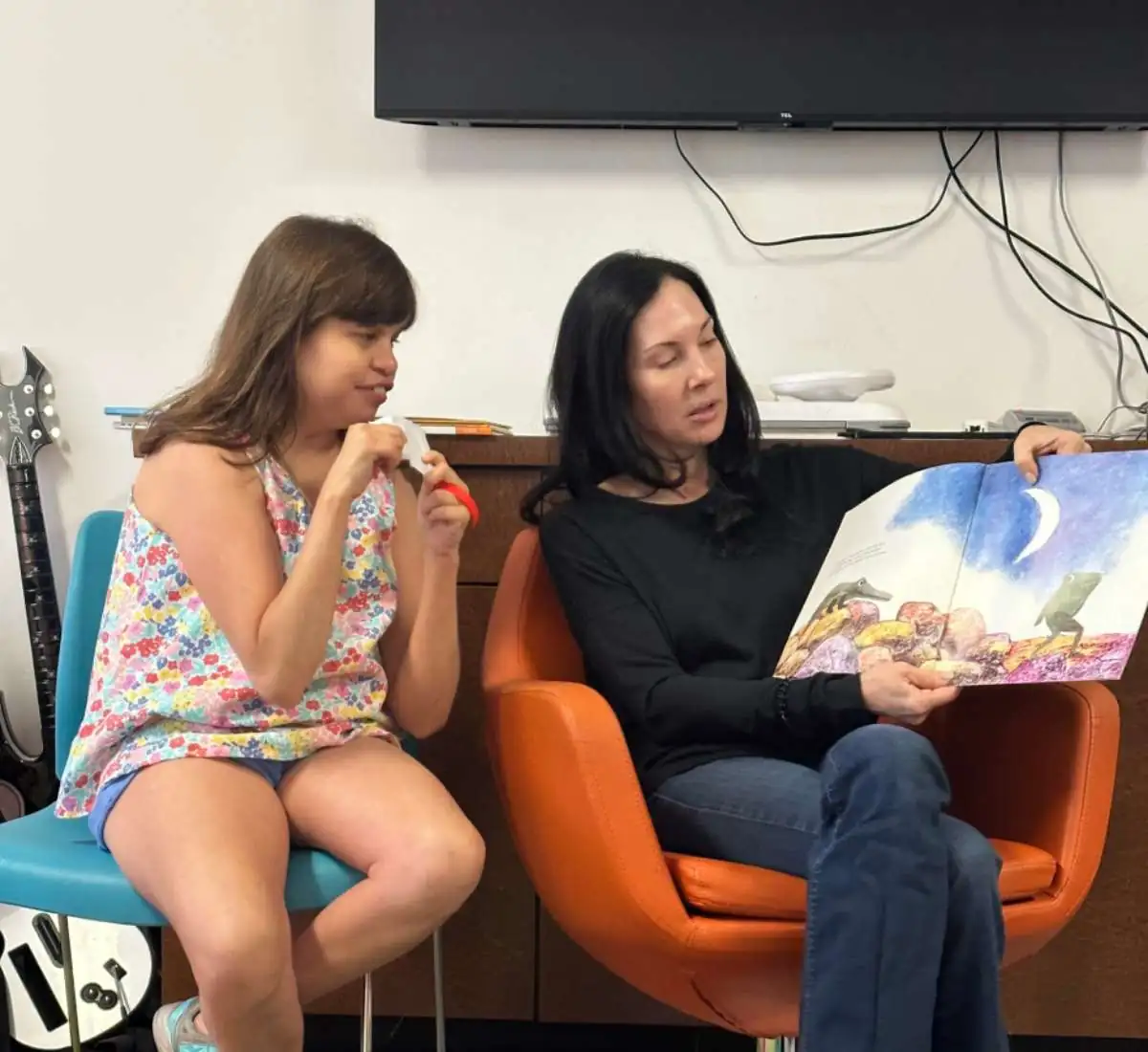
The Role of Technology in Reducing Isolation
Digital tools are a key bridge for social inclusion for adults with disabilities, especially for those with limited transportation or who live in rural areas. With the right support, technology expands social connection in real ways:
- Video calling platforms allow adults with IDD to maintain relationships with family members, friends, and peers across distances that would otherwise prevent regular contact.
- Accessible social media tools give individuals a channel to share interests, participate in online communities, and experience the daily social connection that many take for granted.
- Digital peer support groups extend the reach of in-person programs, allowing members to stay connected between scheduled activities.
- AAC apps and communication tools lower the barrier to participation in day program social activities for individuals who communicate differently.
Technology does not replace face-to-face connection. It extends and strengthens relationships that start in person.
What Families and Support Staff Can Do Right Now
Families and support professionals are the most consistent advocates for reducing isolation in adults with IDD. Here are practical steps that make a difference:
- Prioritize social goals alongside functional and health goals in every support plan and person-centered planning meeting.
- Facilitate consistent program attendance because irregular participation disrupts the relationship-building process that takes time and repeated contact to develop.
- Create low-pressure social opportunities at home through small gatherings, shared meals, and familiar activities that reduce the anxiety of new social environments.
Conclusion
Reducing social isolation in adults with disabilities requires steady access to structured peer interaction, creative programs, community inclusion, and digital connection. Families and professionals must treat social belonging as a top priority. Social interaction for IDD is a powerful tool for better mental health, adaptive skills, and quality of life. The evidence is clear. Adults with IDD who are socially connected thrive. Those who are not face real harm. Every relationship, program, and community outing is a step toward a fuller, more connected life.
Cortney's Place
Where Connection Comes First
At Cortney’s Place, social connection is not an add-on to our program. It is the entire point. Our family-founded nonprofit provides an inclusive, stimulating, and community-based day program and social activity environment where adults with IDD are welcomed as valued members of a genuine community. Through peer interaction, creative programming, supported community outings, and person-centered care, Cortney’s Place gives every participant the daily social connection that makes a meaningful life possible.